
From Mini Camper to Mentor: Emma Linn’s Journey of Independence, Leadership, and Belonging at Camp Ondessonk
Discover how one eight-year-old’s first weekend at Mini Camp ignited a decade-long journey of personal growth, and why child development experts say experiences like hers can shape who your child becomes for life.
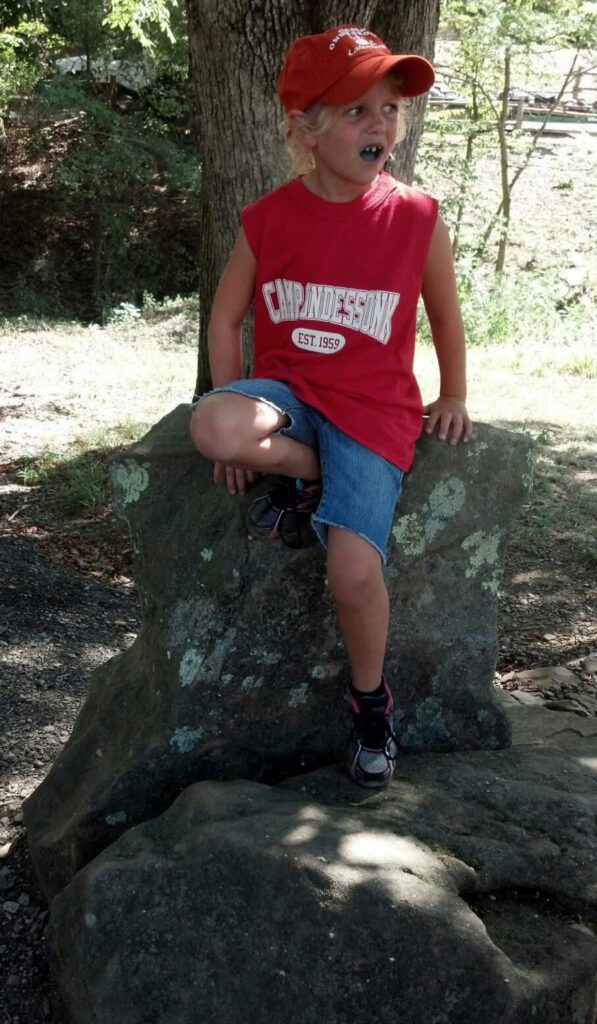
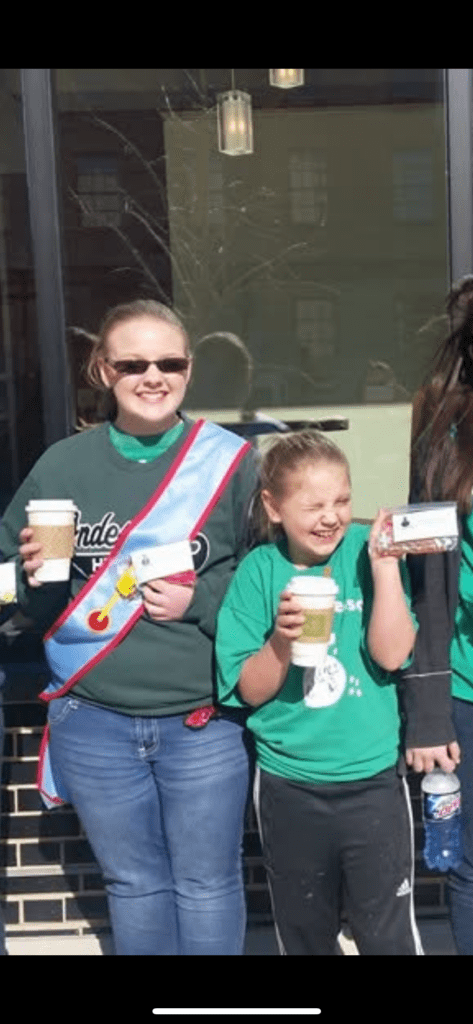
There’s a moment every Camp Ondessonk parent knows: the drop-off. The nervous smile, the overstuffed duffel bag, the backward glance as your child walks across the covered bridge and into a world entirely their own. For Emma Linn’s family, that moment came in the summer of 2014. Emma was eight years old, brimming with anticipation she’d been building for years watching her siblings leave for Camp while she stayed behind, aching with envy.
That first crossing changed everything.
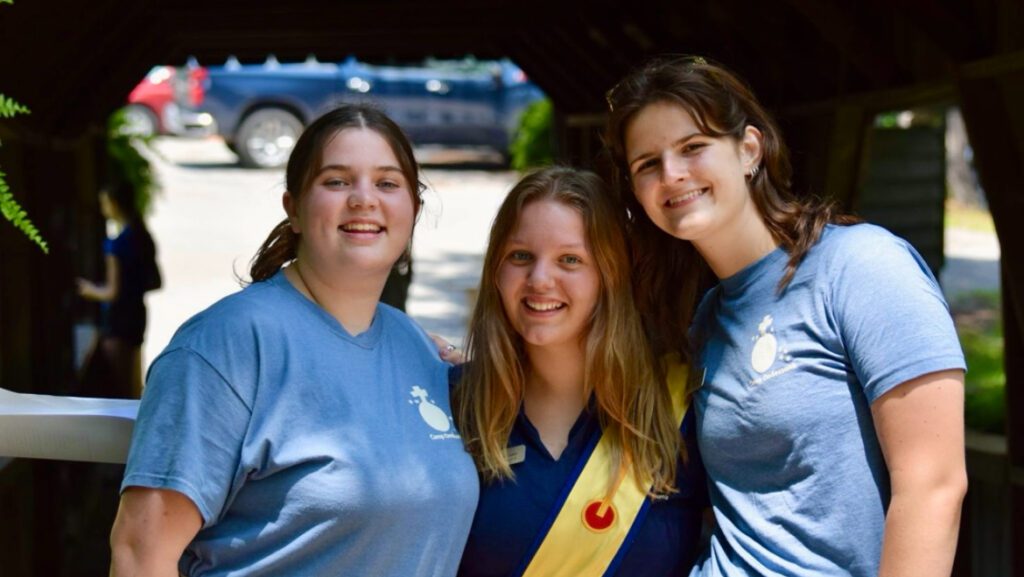
Today, Emma is an Outdoor Education Instructor at Camp Ondessonk, a role that puts her in front of students year-round, guiding them through the same hands-on, confidence-building experiences that once transformed her. Her journey from wide-eyed Mini Camper to trusted mentor is not just an inspiring personal story. It is a blueprint for what intentional, community-centered camp experiences can do for a child.
The Jealousy That Started It All
Long before Emma set foot in Camp as a camper, she was a spectator. Every Sunday, she watched her siblings disappear into the woods with luggage tags and unit assignments while she returned home without one. “Every time my siblings were dropped off for their week at Camp, I was so incredibly jealous,” she recalls.
When her own turn finally arrived as a Mini Camper in Lalande, the experience did not just meet her sky-high expectations. It surpassed them.
“I don’t remember many of the specific activities or details, but I remember how it felt. It felt like I was in the best place ever. Disney World was nothing compared to Camp.”
She spent her days playing, singing, catching fireflies, and doing exactly what childhood is meant to look like. The way she describes that first week is telling: “The best way I could describe my first week as a camper is like a warm hug.” By the final day, she was begging her parents to let her stay.
Why Mini Camp Is the Perfect First Step
Camp Ondessonk’s Mini Camp is specifically designed for first-time campers ages 8–10. The program runs three days and nights and maintains a low 5-to-1 camper-to-counselor ratio structure built around the developmental needs of young children who are testing independence for the first time.
That low ratio matters enormously. For Emma, it meant her counselors could give her individual attention, track her comfort level, and gently push her toward challenges without ever making her feel unsafe. “My counselors made Camp feel safe and exciting at the same time,” she says. “They were patient, kind, and genuinely happy to be there with us. They made eight-year-old me feel seen and important.”
Research supports what Emma experienced intuitively. A 2024 study published in Frontiers in Psychology found that even brief camp experiences produce measurable improvements in optimism, empathy, and self-esteem in young people. The American Camp Association similarly reports that campers consistently return home more independent, more confident, and better equipped to handle challenges. Mini Camp’s compressed timeline, three days instead of a full week, lowers the barrier for children who have never been away from home, making it the ideal on-ramp for a lifetime of summer growth.
Small Moments, Big Lessons
What makes Mini Camp transformative is not any single dramatic event. It is the accumulation of small, daily victories that compound into a child who stands taller when she returns home.
Managing their own bunk, brushing their teeth on schedule, keeping track of their belongings, each routine task teaches Mini Campers that they are capable of more than they know. Parents reliably notice this shift. Most report that their children return from Camp more eager to help at home, more willing to tackle tasks they previously avoided.
Camp’s counselors were equally deliberate about giving children structured freedom. “My counselors created structure while still allowing us to grow in our independence,” Linn explains. That blend of autonomy and support is precisely the environment developmental researchers identify as optimal for building genuine self-reliance in middle childhood.
A Place to Belong
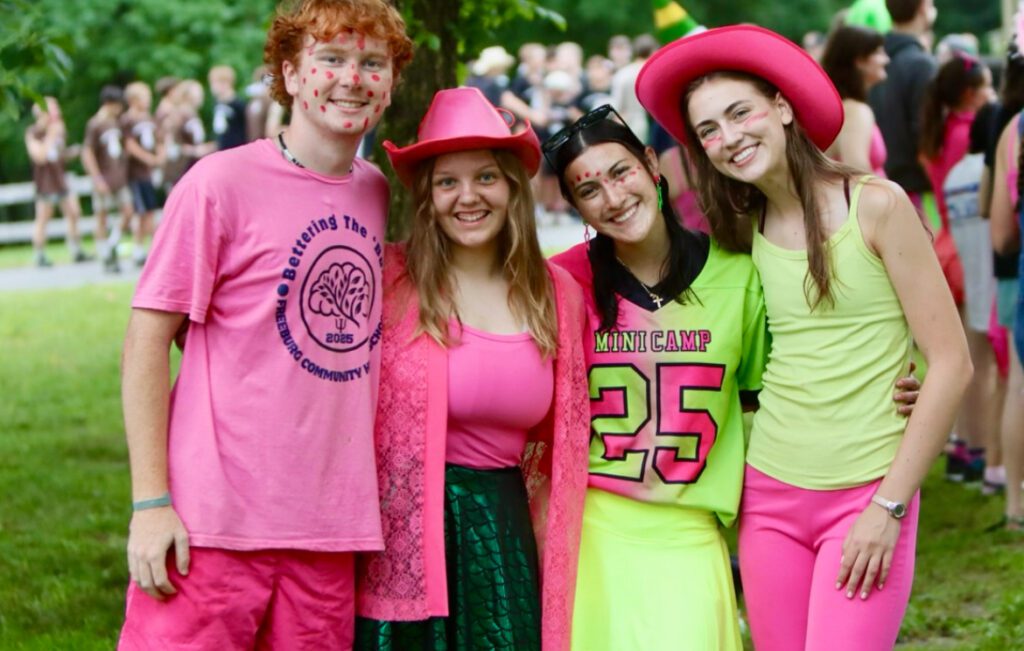
Beyond skills and confidence, Mini Camp gave Emma something she didn’t know she was searching for: community. Cabin life meant shared meals, cooperation, campfire songs sung at full volume, and the closeness that forms when children navigate the same small adventures together.
It is the kind of belonging that is increasingly rare in a childhood dominated by screens. Camp strips all of that away and replaces it with something simpler and more powerful: genuine human connection.
“Camp Ondessonk gave me a place to belong before I even knew how much I needed one.”
Emma’s one-sentence summary of Camp’s impact on her life, captures something that researchers are only beginning to quantify. According to the American Camp Association, nearly all campers report forming close friendships at camp, and those social bonds are consistently linked to stronger empathy, communication skills, and emotional resilience.
Growing Up: From Camper to Leader
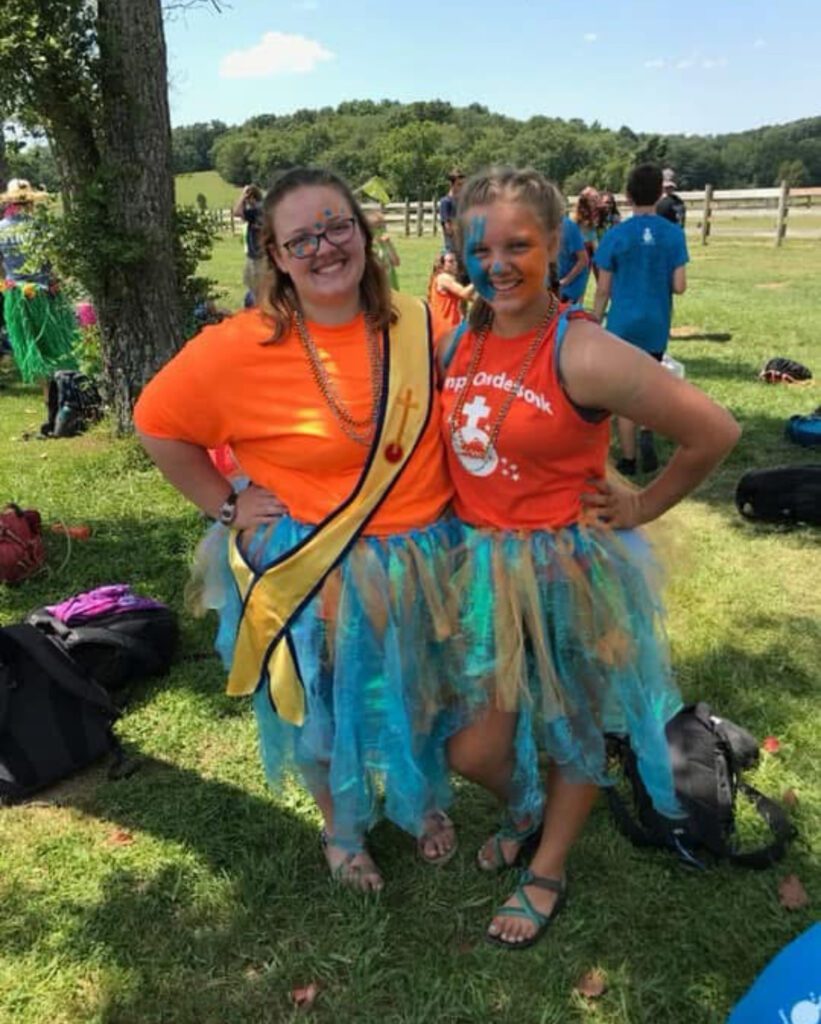
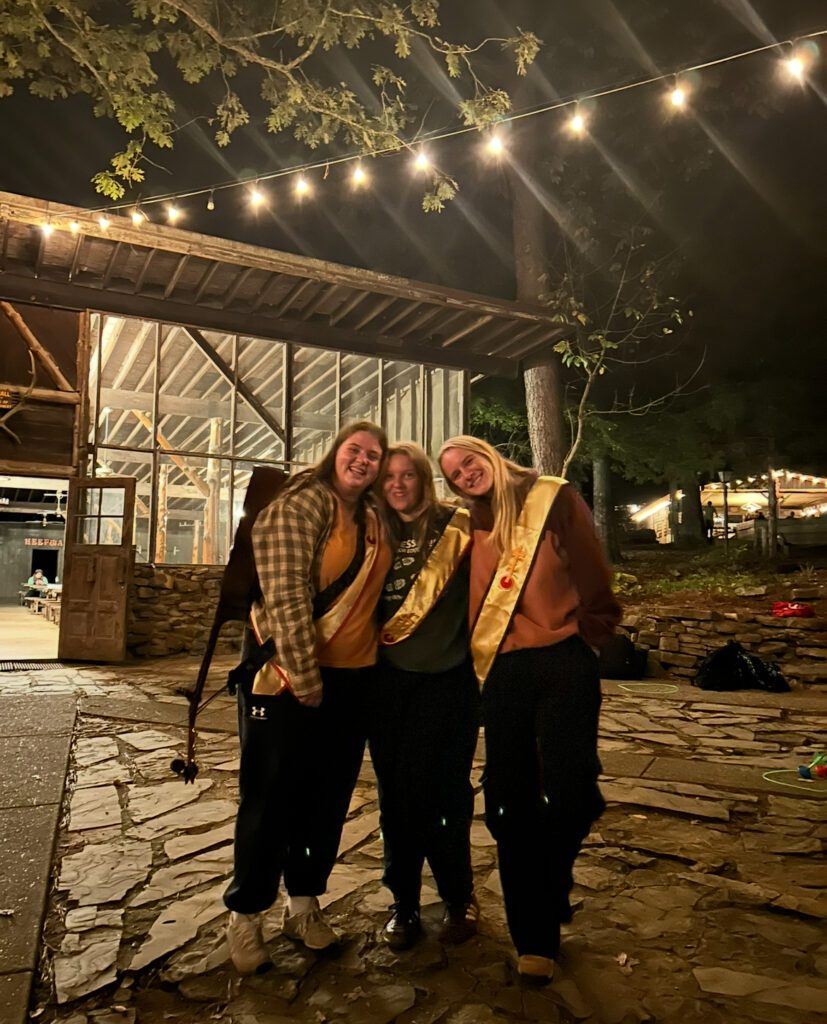
Emma returned every year through 2019. With each summer, her relationship with camp deepened and transformed. What had been her favorite place became a fundamental part of her identity.
“Anyone who knew me knew I loved Camp,” she says. “I counted down the days until I could return to the place where I felt most like myself.”
She found role models in her counselors, particularly Maddie Jackstadt and Delaney Gebhardt, who she describes as the perfect balance of warm and structured. “They always made an effort to make me feel like a part of the Camp Community, and their efforts had a lasting impact.” She now draws on memories from their units when crafting her own approach to working with children.
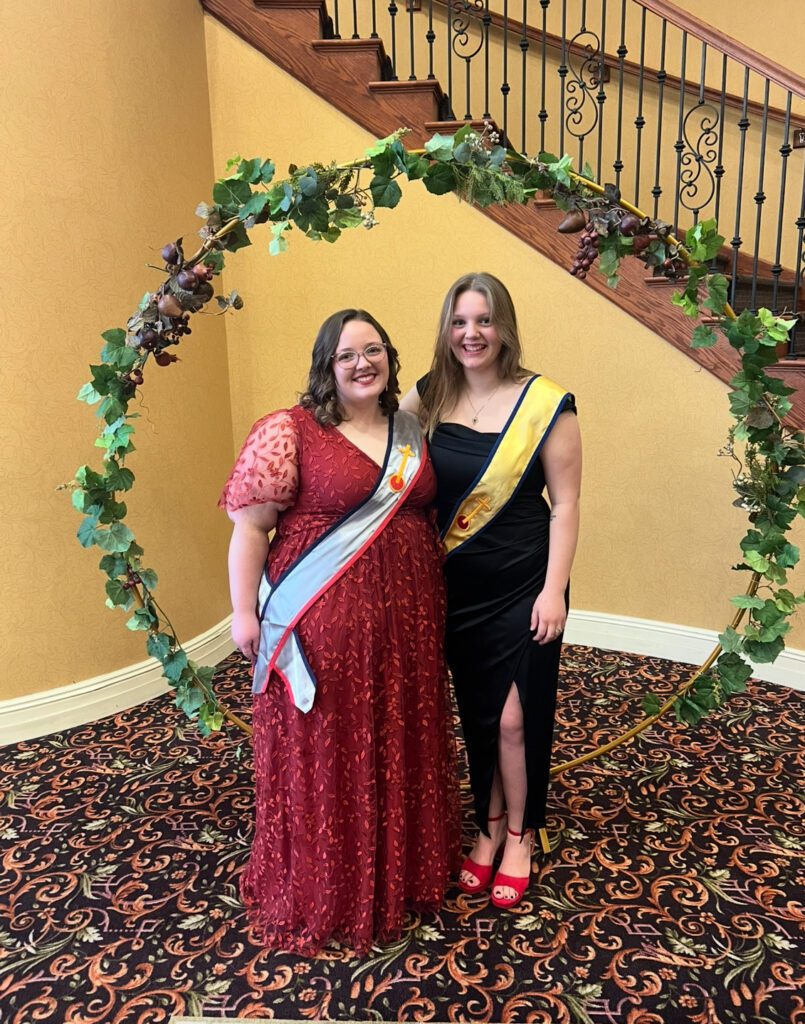
In 2018, Emma was inducted into the Loyal Lodge of Ondessonk & Tekakwitha-Camp Ondessonk’s leadership and service organization. The recognition, she says, taught her that service is not a transaction but a gift: “The opportunity to contribute to your community is a gift that allows you to grow not only the community but also yourself.” She would go on to serve as a Council Official and become a Lodge Official in 2024.
The CIT Years: Stepping Into Responsibility
When Emma became a Counselor-in-Training (CIT) in 2021, something was crystallized. She had spent years watching her mentors create the Magic of Camp for younger campers. Now it was her turn.
“I remember feeling proud and so incredibly excited for the new responsibility. I had been watching many of my mentors provide kids with a week of Camp Magic, and it was now my turn.”
Her first CIT year was about learning to lead. Her second was about actively doing it, managing conflict, supporting homesick campers, running activities in real time, and building relationships while living with her peers. “Camp taught me leadership through practice,” she reflects. “It also taught me about managing work and relationships while living with my peers.”
Staff Life: The Magic Was Always the Kids
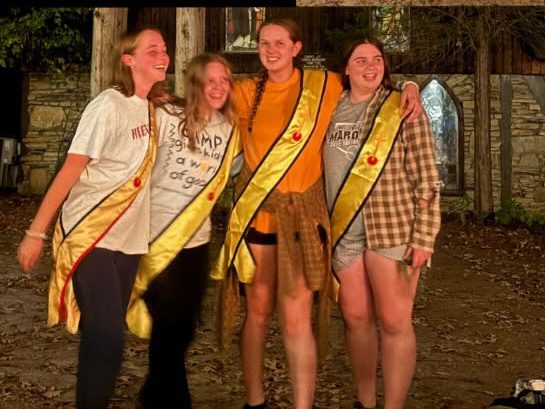
Emma has served on summer staff every year since completing her CIT training. From that vantage point, she has come to understand something that surprised her: the magic she felt as a camper does not just happen. It is carefully, intentionally created.
“Many people have talked about how the staff create the magic,” she says, “but I honestly think the kids are the magic. We just get the privilege of teaching them how to show it and spread it.”
Her most important responsibility as a staff member, she says, is creating safety, physical and emotional. “Campers deserve to feel seen, heard, and valued every single day.” And her method of achieving that traces directly back to who she needed when she was eight years old.
“I try to be the counselor I needed when I was eight – warm, steady, and fully present. I am intentional about engaging with each individual as much as possible, so that they feel important.”
She also makes a point of seeking out campers she has worked with in previous summers, so they know they are valued and remembered. The through line from her own Mini Camp experience to the way she leads today is unmistakable.
Outdoor Education: Extending Camp’s Reach Year-Round
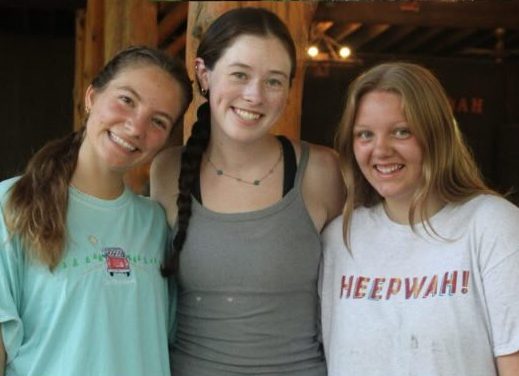
Emma’s current role as an Outdoor Education Instructor extends the Camp Mission beyond the summer months. She now works with school-year students, many of whom have never experienced Camp, bringing the same experiential, hands-on learning to a different season and a different kind of learner.
“I love that Outdoor Education extends Camp’s impact beyond the summer,” she says. “It brings the same hands-on, experiential learning into a different season and reaches students who may have never experienced Camp before.”
The work has sharpened her leadership edge. “It has pushed me to speak clearly, adapt quickly, and manage groups independently. It’s strengthened my ability to lead with both authority and warmth.”
Her hope for every student she teaches mirrors what she received as an eight-year-old: “I hope they leave more confident than when they arrived. I hope they are more willing to try new things, ask questions, and work together. I hope they become more aware of their community and their place in it.”
What This Means for Your Child
Emma’s story is extraordinary in its details, but what it represents is not unusual. It is the natural outcome of what happens when a child is placed in an environment that challenges them gently, supports them consistently, and surrounds them with peers and mentors who believe in their potential.
Mini Camp is designed to be that environment. It is not simply three days in the woods. It is a carefully constructed developmental experience where independence is practiced, responsibility is earned, friendships are formed, and confidence is built one small success at a time.
As Emma puts it, with the authority of someone who has lived the full arc of this journey:
“Camp doesn’t just create fun memories. It builds resilient, confident, compassionate adults.”
And she would know. She became one.
Mini Camp at a Glance
| PROGRAM FEATURE | HOW IT HELPS | WHAT KIDS GAIN |
| Ages 8–10 | 3-Day Session | Gentle first step; reduces homesickness | Confidence, autonomy, and eagerness to return |
| 5:1 Camper-to-Counselor Ratio | Every child feels seen and supported | Trust, emotional safety, personal attention |
| Hands-On Daily Skills | Builds ownership through real tasks | Self-reliance and responsibility |
| Cabin Community Living | Teaches cooperation and empathy | Lifelong friendships and social skills |
| Adventure Activities (Archery, Canoeing, Ropes Course) | Safe challenges build mastery | Self-esteem, problem-solving, resilience |
| Screen-Free Nature Immersion | Reduces stress; sparks curiosity | Improved mood, focus, and independence |
Table: Key Mini Camp features, how they support child development, and the outcomes Emma—and thousands of campers like her have experienced.
References
Vrooman, T. (2026, January 9). Which mini camp experience is right for your child? Camp Ondessonk.
Camp Ondessonk. (n.d.). Mini camps (ages 8–10).
Linn, E. (2026, February). Camp Ondessonk interview [Personal communication].