
The Perfect Beginning: Why Mini Camp Sessions Are Essential for Your 8-10 Year Old’s First Camp Experience
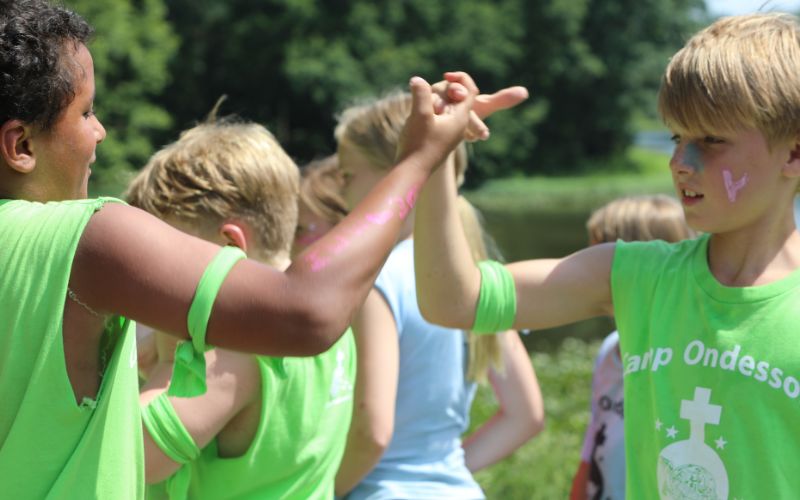
Every parent remembers that bittersweet moment when they realize their child is ready to spread their wings. For many families, that moment comes around age eight, when children begin showing signs they’re ready for their first taste of independence. At Camp Ondessonk, we’ve witnessed thousands of children take this transformative step through our mini camp sessions, designed specifically for first-time campers aged 8-10. Here’s why this shorter introduction to overnight camp can be the perfect launchpad for your child’s journey toward independence and responsibility.
Understanding the Critical Developmental Window
The years between eight and ten represent a pivotal period in child development. According to researchers at the University of Utah who partnered with the American Camp Association on their landmark National Camp Impact Study, children around age nine are at an ideal developmental stage for camp experiences that foster independence and social awareness. Dr. Jim Sibthorp, who led the university’s research team, notes that some parents send their kids to overnight camp specifically “to experience independence and learn relationship and social skills.”
Child development theory emphasizes that this age range is crucial for environments promoting autonomy, social interaction, and exposure to new challenges. The camp setting, with its blend of structured activities and communal living, provides an optimal environment for these developmental needs. However, the duration of the camp experience plays a critical role in how effectively these benefits are realized, particularly for first-time campers.
What Makes Mini Camp Sessions Different?
Mini camp sessions typically last 3-5 days, offering a gentle introduction to overnight camping without the commitment of a full one or two-week session. Camp Ondessonk’s Mini Camp session is 3 days. This shorter format serves several essential purposes for young, first-time campers:
Manageable Expectations for Anxious Minds
Eight to ten-year-olds are old enough to understand the concept of being away from home but may still experience natural nervousness about the separation. Research shows that children in this age group often worry not only about themselves but also about whether their parents will be okay without them. A mini session offers a timeframe children can mentally grasp, comparable to a long weekend or a brief school break.
Accelerated Adjustment Period
Research from the American Camp Association indicates that campers typically need 2-4 days to fully integrate into the camp community, and mini sessions are intentionally designed to maximize this adjustment period. Unlike longer sessions, where the first few days account for a smaller portion of the total experience, mini camps focus on building immediate connections and confidence.
Building Blocks for Future Success
The American Camp Association’s research reveals a key finding: while 2-3-week sessions provide the most significant developmental gains, shorter sessions serve as stepping stones. Mini camps allow children to “try on” the camp experience, discover their capabilities, and build enthusiasm for longer sessions in future summers. Data shows that campers who start with shorter introductory sessions are more likely to return and eventually participate in longer, more immersive camp experiences.
The Independence Revolution: What Happens at Mini Camp
Research conducted by the American Camp Association, in partnership with the University of Utah and supported by The Spencer Foundation, provides compelling evidence of camp’s impact on independence. Their longitudinal studies, which followed children beginning at age nine, found that “high-quality camp experiences promote youth outcomes, with the most compelling evidence emerging in relation to affinity for nature, independence, and social awareness.”
Away from Home, Toward Self-Reliance

At Camp Ondessonk, mini camp participants experience their first opportunities to manage daily responsibilities without parental intervention. They learn to:
- Organize their personal belongings in a cabin setting
- Navigate a daily schedule independently
- Make choices about activities and mealtimes
- Problem-solve minor challenges on their own
- Communicate their needs to caring adult staff members
These experiences may seem simple, but they represent significant developmental milestones. A parent from our program shared: “The little 10-year-old girl that we dropped off at Camp was not the same girl we picked up. She had blossomed so much in that one week. She developed this confidence and independence that was so wonderful to see.”
The Science Behind Building Responsibility
The American Camp Association’s Youth Outcomes Battery, used in research by Old Dominion University with campers averaging 8.1 years old, measures seven key developmental outcomes. Among these, independence and responsibility show statistically significant gains even in short camp experiences. The study found that when outcomes are intentionally integrated into daily program activities, children demonstrate measurable growth in their sense of personal responsibility.
Dr. Karla Henderson and her research team, in a study published in the Journal of Family Issues, surveyed nearly 2,300 parents about their children’s growth experiences at camp. Parents reported statistically significant gains across 10 youth development areas, with the largest effect sizes in independence, positive identity, and peer relationships. These gains weren’t limited to long camp sessions; they were evident across session lengths when the programming was intentional and well-designed.
The Mini Camp Advantage: Perfect Length for First-Timers
Experts in youth development and camping professionals have extensively studied the optimal length for camp sessions. While extended sessions provide deeper immersion, mini camps offer distinct advantages for first-time campers in the 8-10 age range:
Reduced Risk, Maximum Exploration
The relatively short duration of a mini camp session creates a “low-cost” environment for trying new behaviors and identities, as researchers describe. Children feel more willing to step outside their comfort zones when they know the experience has a defined, manageable endpoint. This psychological safety net actually encourages greater risk-taking in healthy, supervised ways, whether that’s trying archery for the first time, sleeping in a treehouse, or introducing themselves to new friends.
Concentrated Growth Experience
Camp directors note that while adjustment takes 2-4 days regardless of session length, the concentrated nature of mini camps means every day carries significant weight. At Camp Ondessonk, our mini camp programming is specifically designed to front-load relationship-building activities and confidence-boosting challenges, ensuring that even first-time campers experience the magic of camp community quickly.
Research indicates that the most significant developmental gains occur in the first 2-3 weeks of camp, with benefits continuing but at a slower rate thereafter. Mini camps capture the intensity of that initial growth period while respecting the limits of what many 8-10-year-olds are ready to handle emotionally and physically.
The Sweet Spot of Session Length
Studies examining camp retention rates reveal an interesting pattern: while one-week sessions are popular, they often retain 15-25% fewer campers than longer sessions because children have little time to become comfortable before departure. However, 2-3 week sessions show the highest satisfaction and return rates. Mini camps of 3-5 days bridge this gap for the youngest campers, providing enough time to overcome initial jitters and experience the benefits of camp without overwhelming first-timers.
Real Skills for Real Life: The Responsibility Factor
One of the most powerful aspects of mini camp sessions is how quickly children demonstrate increased responsibility. The American Camp Association’s research shows that 70% of parents reported their children gained self-confidence at camp, and these confidence gains directly correlate with increased responsible behavior at home and school.
Daily Life Skills That Transfer
At Camp Ondessonk’s mini camp sessions, children practice skills that have immediate application in their daily lives:
- Personal hygiene independence: Managing showers, tooth-brushing, and clothing choices without parental reminders
- Time management: Getting to activities on time and balancing free time with structured schedules
- Conflict resolution: Working through disagreements with cabin mates using communication rather than running to adults
- Environmental stewardship: Caring for shared spaces and natural resources, learning that their actions impact others
- Decision-making: Choosing between multiple appealing activities and living with those choices
These aren’t abstract lessons taught in a classroom but lived experiences practiced multiple times daily in a supportive environment.
The Counselor Connection
Research emphasizes the critical role of youth-staff relationships in high-quality camp experiences. At ACA-accredited camps like Ondessonk, staff are specially trained to mentor children toward greater independence rather than simply supervising them. Our carefully selected counselors model responsible behavior while giving campers age-appropriate autonomy to make their own choices and learn from natural consequences.
University of Utah research found that supportive youth-staff relationships are a key component of camps that create lasting positive impacts. In mini camp sessions, counselors can provide intensive, personalized mentorship that helps each child identify and practice new responsibility skills.
Social-Emotional Growth in a Screen-Free Environment
One of the most remarkable aspects of modern camp experiences is the opportunity for children to disconnect from technology and engage in face-to-face social interactions. The University of Utah research team notes that most camps are cellphone-free, allowing participants to experience what researchers call JOMO—the Joy of Missing Out. As Dr. Sibthorp observes, “There’s a lot of value to just enjoying the moment.”
Building Emotional Intelligence
The American Camp Association’s research identifies emotional intelligence (EQ) as one of the most significant areas of growth at camp. Children learn to recognize, understand, and manage emotions, developing skills in empathy, cooperation, and social awareness. The Canadian Summer Camp Research Project found camp to be particularly effective at helping “bubble-wrapped” youth who have been over-programmed and overprotected to freely learn, grow, and develop their capabilities in a safe environment.
For 8-10-year-olds, mini camps provide concentrated opportunities to:
- Navigate social situations without parental coaching
- Experience and manage homesickness in a supportive setting
- Celebrate successes and process disappointments with peers
- Form friendships based on shared experiences rather than proximity or parental connections
The Friendship Factor
According to ACA research, 96% of campers report that camp helped them make new friends, and 93% say camp helped them get to know kids who are different from them. These statistics hold true even for shorter sessions. The intensive, shared experience of mini camp creates bonds that often surprise parents with their depth and longevity.
One Camp Ondessonk camper reflected: “I learned that I don’t have to act a certain way and that it’s okay to be myself. I loved that everyone is so kind to each other.”
Camp Ondessonk’s Mini Camp Difference
Located in the breathtaking Shawnee National Forest of Southern Illinois, Camp Ondessonk has been providing exceptional outdoor and spiritual adventures since 1959. As an ACA-accredited camp meeting over 300 standards in site safety, facilities, staffing practices, and operating procedures, Ondessonk offers the peace of mind that comes with proven quality and safety protocols.
Designed for Discovery
Our mini camp program introduces 8-10-year-olds to the full spectrum of camp activities in an age-appropriate format:
- Outdoor Adventure: From horseback riding through scenic trails to conquering our rock-climbing walls, children discover capabilities they never knew they had
- Nature Exploration: Guided experiences in the Shawnee National Forest that build environmental awareness and respect for creation
- Traditional Camp Activities: Swimming, archery, canoeing, and treehouse camping that create lasting memories
- Spiritual Growth: Opportunities for reflection and faith development in a supportive, Catholic camp environment
- Creative Expression: Arts, crafts, and campfire programs that encourage self-expression
Expert Staff, Proven Programs
With over 65 years of tradition, Camp Ondessonk brings deep expertise to first-time camper programs. Our staff undergoes extensive training in child development, safety protocols, and youth mentorship. Many of our counselors are former campers themselves who understand exactly what first-timers need to feel comfortable and excited about their camp experience.
The Research Is Clear: Camp Changes Lives
The American Camp Association’s National Camp Impact Study, which gathered data from 2017-2022 and included input from 80 camps, provides some of the most comprehensive evidence available about camp’s lasting impact. Key findings particularly relevant to mini camp experiences include:
- High-quality camp experiences promote measurable outcomes in independence, social awareness, and perseverance
- These benefits are primarily driven by the unique structure of camp that combines engagement, belonging, and action-based experiential learning
- Parents consistently report that their children demonstrate continued growth after returning home from camp
- The skills developed at camp support learning throughout the school year and prepare young people for future success
Most significantly, research shows that “most parents want their kids to have fun, build social skills, and develop independence and other intrapersonal skills at camp.” Mini sessions provide an accessible entry point for families to access these benefits.
Making the Choice: Is Your Child Ready?
While chronological age matters, readiness for mini camp depends on several factors:
- Previous separation experiences: Has your child stayed overnight with relatives or at sleepovers?
- Interest level: Is your child excited (even if nervous) about the idea of camp?
- Independence skills: Can your child manage basic self-care tasks like dressing and tooth-brushing?
- Social adaptability: How does your child typically respond to new group situations?
Research from experts like Dr. Michael Thompson suggests that readiness correlates more with independence than exact age. On average, children between 7-9 years become comfortable with overnight stays, but individual readiness varies. Mini camp sessions are specifically designed to meet children where they are, providing enough support to feel safe while offering sufficient challenge to foster growth.
The Lasting Impact: Beyond the Bus Ride Home
Perhaps the most compelling evidence for mini camp sessions comes from longitudinal research showing that camp benefits extend far beyond the actual days at camp. The University of Utah’s multi-year study found that camp experiences create lasting impacts on social-emotional development and support learning in other settings, including school.
Parents consistently report changes that persist months after camp ends:
- Increased willingness to try new things
- Greater self-confidence in social situations
- Improved problem-solving abilities
- Enhanced ability to manage emotions and handle disappointment
- Stronger sense of personal identity and values
One Camp Ondessonk parent described this transformation: “The confidence and acceptance she gained from Camp Ondessonk has allowed her to thrive in school and other social settings.”
Taking the First Step
Every epic adventure begins with a single step. For countless children, that first step toward independence, responsibility, and self-discovery happens in the perfect learning laboratory of a mini camp session. At Camp Ondessonk, we’ve refined our mini camp program over 65 years to provide exactly what 8-10-year-olds need: enough challenge to grow, enough support to feel safe, and enough fun to create memories that last a lifetime.
As one first-time camper told us: “I was a bit nervous at first but once I got settled and realized what an amazing place it is, I never wanted to leave.”
Research from the American Camp Association, university studies, and decades of hands-on experience all point to the same conclusion: mini camp sessions provide an ideal introduction to overnight camp for children in the 8-10 age range. They offer a manageable timeframe that respects children’s developmental needs while delivering the proven benefits of the camp experience—independence, responsibility, social skills, confidence, and joy.
The question isn’t whether your child will benefit from mini camp. The research makes that clear. The question is: Is now the right time to give your child this gift?
References
American Camp Association. (2025). National Camp Impact Study.
Henderson, K.A., Whitaker, L.S., Bialeschki, M.D., Scanlin, M.M., & Thurber, C. (2007). Summer Camp Experiences: Parental Perceptions of Youth Development Outcomes. Journal of Family Issues, 28(8), 987-1007.
Hill, E., Holt, J., Ramsing, R., & Goff, J. (2016). Evaluating Day Camps Using the ACA Youth Outcomes Battery. Parks and Recreation Magazine. National Recreation and Park Association.
Sibthorp, J. (2020). Lasting Impacts of Summer Camp. University of Utah Health.
Camp Ondessonk is an ACA-accredited Catholic camp located in the heart of the Shawnee National Forest of Southern Illinois. For over 65 years, we’ve been providing exceptional outdoor and spiritual adventures that empower kids of all ages. Click here to learn more about our Mini Camp sessions and other programs.