
When Do We Get to Go Horseback Riding? Camp Ondessonk Stables – Part One
By Pati Egan
A long, proud history
Horseback riding was an activity in 1959 at Camp Ondessonk, and still is today. This post will only feature staff and horses from the 1970s to the 1990s. Next week we’ll focus on the 1960s crew. Such legendary 1960s staff like Jim Shively, Larry Garner, Jackie (Savage) McKay, Jean (Shadid) Auffarth, Cathy “Cocky” (Cochran) Beine, and Gene Canavan deserve more space than a single post would allow.
Special thanks to Chris Cahnovsky, Steve Rheinecker, Margie, Kahleen Halde, and Jean (Schwartz) Weiss for their awesome photos, memories, and help with this post. I was in Archery, the Stables are a little out of my skill set. I learned pretty much as Program Director, but these guys are pros!
Work was done with love – or you could make the hardest job fun with the right people.
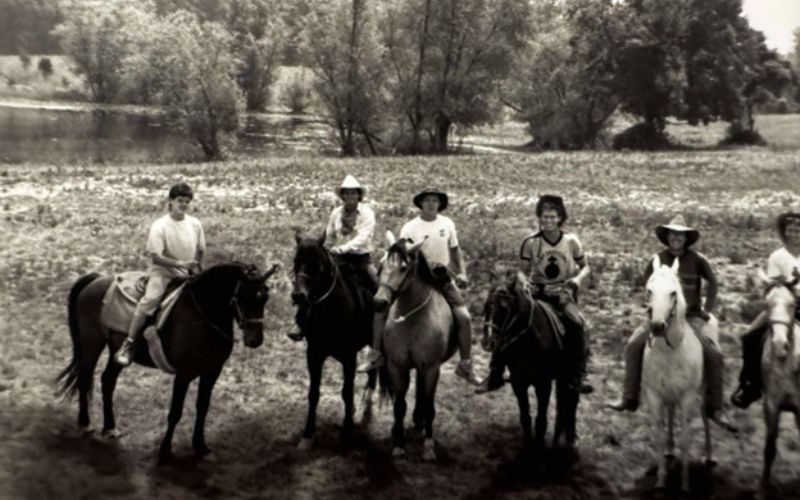
Jean Weiss recalls that when she was Equestrian Director in the early 1980s the Stable Crew would be up at the Stables by 6:30 am to begin their day. Their day began with getting all of the horses into the old Stables. Jean would go up earlier and “whistle in” the horses to the barn. According to Steve Rheinecker, Ralph Rheinecker, the original Ranger and Steve’s uncle, trained the horses to come to the barn with a whistle.
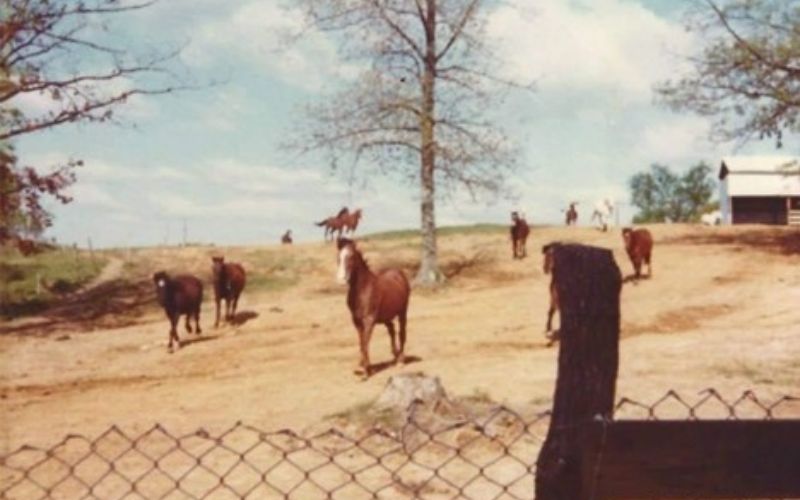
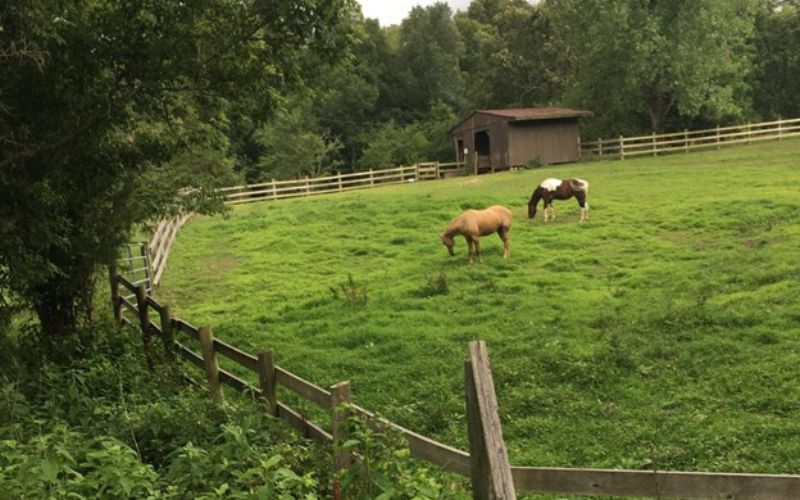
The Stable Crew would eat early, go to the barn, and prepare to feed the horses.

The next step was to “catch” the horses. The horses would all be in a group in the stable yard.
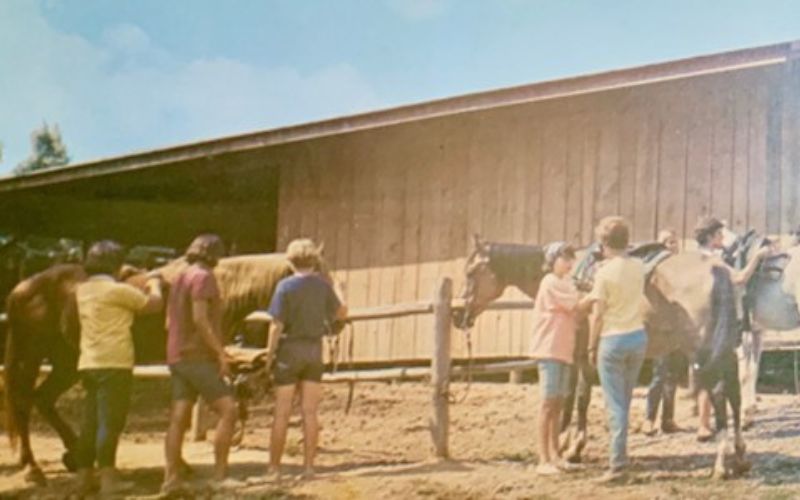
Janet Harper recalls that it was kind of a horse mob after feeding. “We (my time there) didn’t have to go far, just had to watch out for the kickers and biters.” Halters were not kept on them. “I honestly don’t even remember if we HAD halters,” recalled Janet. Bridles were used to “catch” the horses and tie them to a fence to wait for the saddles.
Time to saddle up! The bit, the thing that goes in the horse’s mouth, and the saddle were always distinct for each horse. Chris Cahnovsky recalled that, “When we moved to the new barn, we designated saddles and blankets for each horse. We only did individual saddles in the old barn. Steve and I began the photo book which had a photo of each horse with details about each individual one. I have some of the first photos. We began the arena rides before the arenas were built to lower our accident rates. Also, we bought bulk feed – no more feed bags.”
The Wild Mustangs, Mules, and Thoroughbred Race Horses
Camp decided to adopt some wild Mustangs and Mules. Kahleen Halde remembers that “wild” was an understatement. Kathleen and Larry Sasak tried to put a rope on them. They were not successful and thus, were traded.
Steve Rheinecker remembers when, “The mules were part of the wild horse adoption program from the western ranges. They were too wild for our use, eventually traded off. The Shetland ponies were a donation, also traded off, as they did not ‘fit in’.
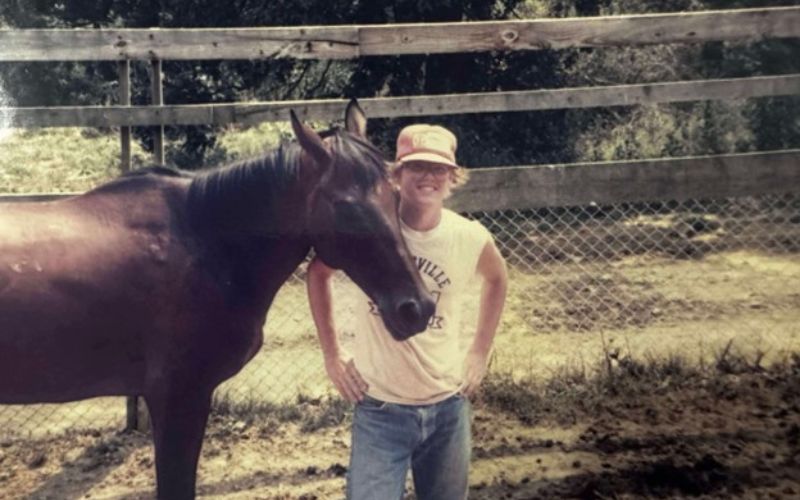
Racehorses, even retired ones, are fast
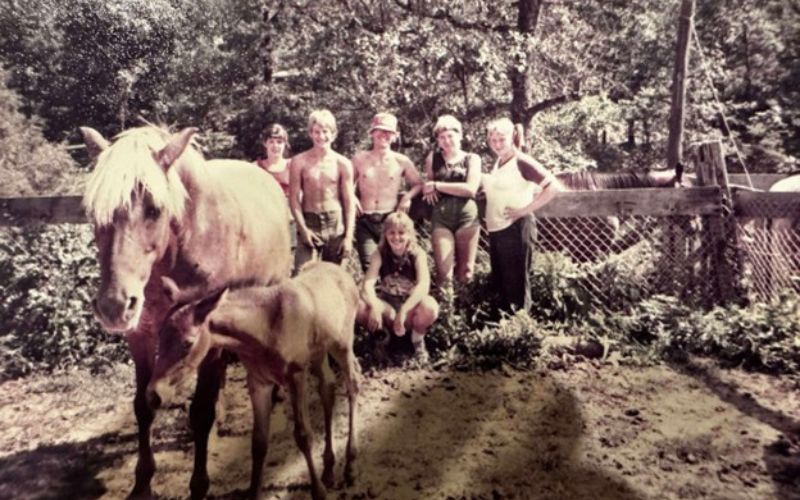
“A racehorse owner from Fairmont track in Collinsville was going to donate a horse or two. One morning, a semi showed up in the parking lot and they offloaded nine broken-down thoroughbreds from the race track. They were some of the nuttiest horses I’ve ever had to deal with; some of them were so lame they couldn’t be ridden. Steve Hutch ended up selling them off to the Amish, and two people wanted jump horses. We kept one horse that we renamed Dancer. I’ve never gone that fast on a horse, and I couldn’t get it to stop, and I took a really bad spill and had to spend the night in the infirmary. Someone also donated a bunch of saddle breeds that were cart horses. Those were kind of fun horses, but they were pretty lame too. All those got sold off to the Amish. One gentleman kept a Palomino to breed with his horses. He let the Palomino out in the pastures with all the other Camp horses, and no one knew who he impregnated, so one summer, horses started coming in with babies that we didn’t know were pregnant. We kept one of the horses…a bunch of us ended up keeping one of them as our own…he was a good Camp horse for many years until he passed away. His name was Derby. He was born on Kentucky Derby day,” explained Chris Cahnovsky.

Lump, the Wonder Horse!
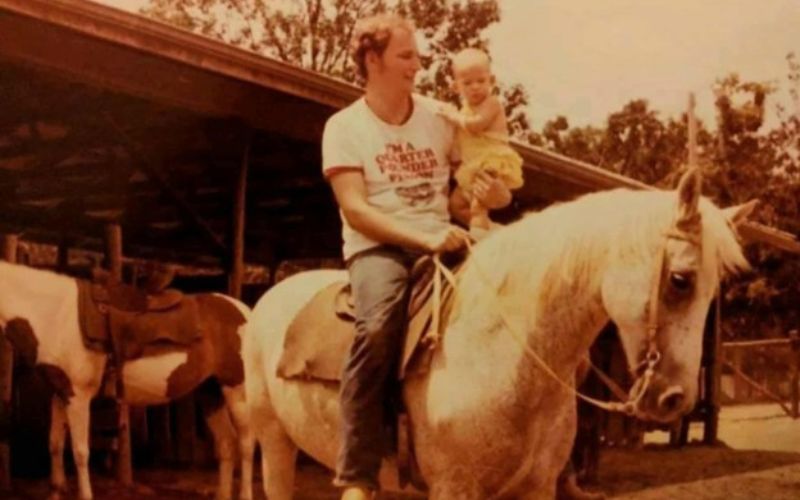
Some horses, just like some people, grow to legendary stature. Lump was such a horse. He wasn’t the flashiest horse, or the most majestic, but he was truly loved by Steve and Janet Harper. He was also a good camper horse but for some reason I thought he had to be last in line on trail rides.
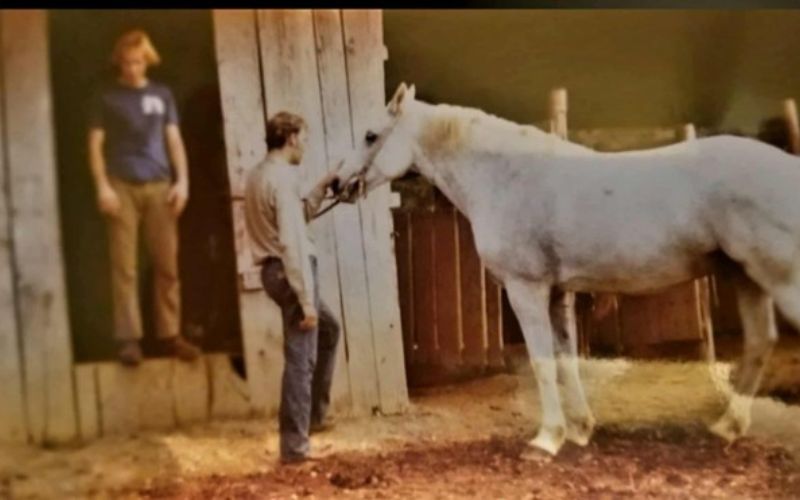
The Stable Crew
The term Wrangler was not used until either the late 1980s or early 1990s. Staff were either Riding Instructors, Stable Managers, or the Equestrian Director. Here’s a short tribute to those who got up at the crack of dawn, worked until sunset, took out five rides a day, and would do it all over again if given the chance.
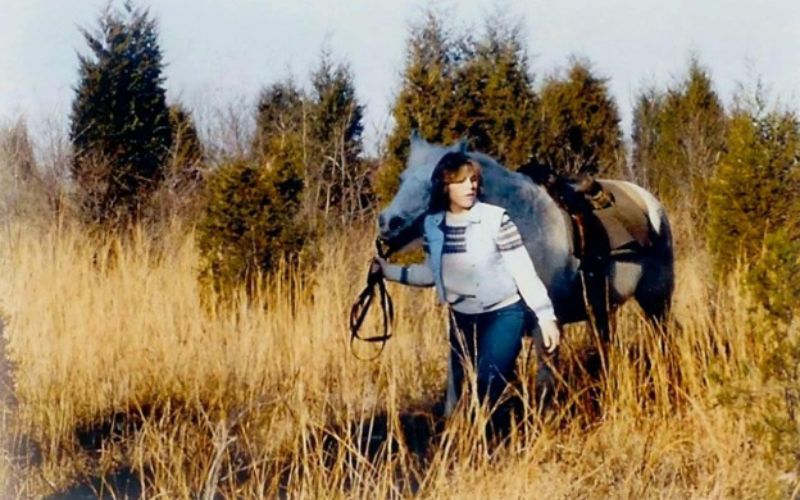
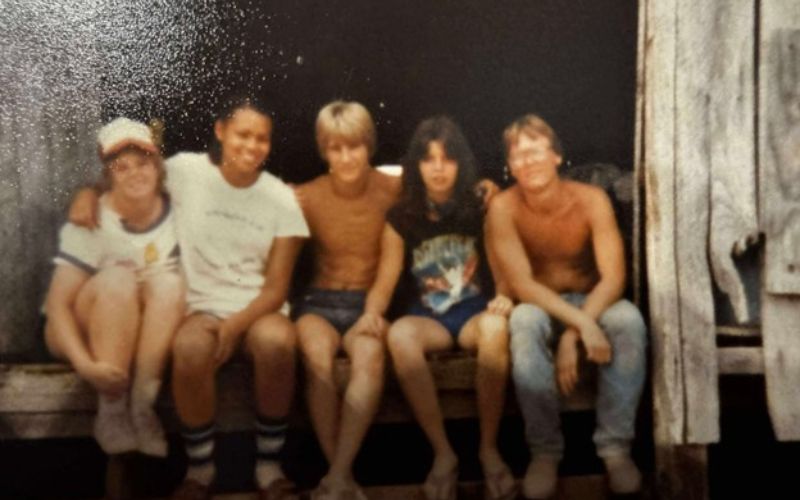
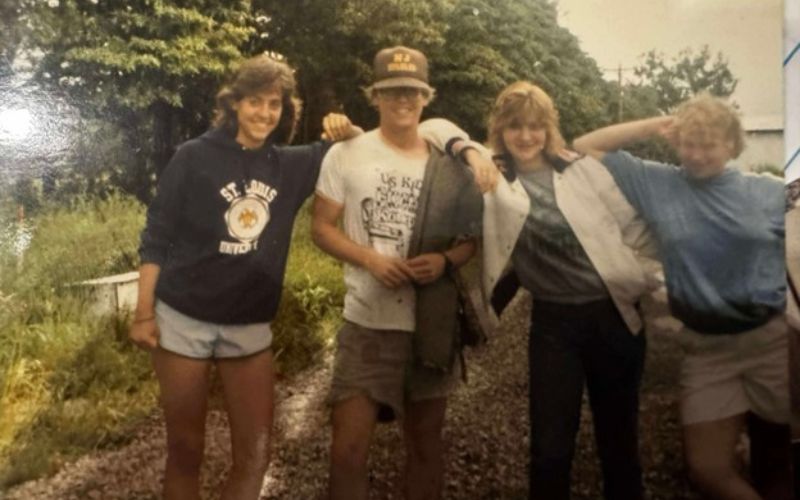
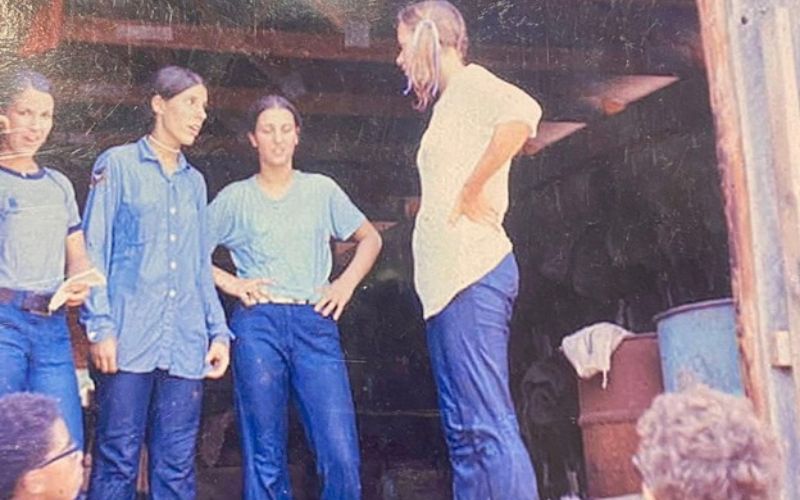
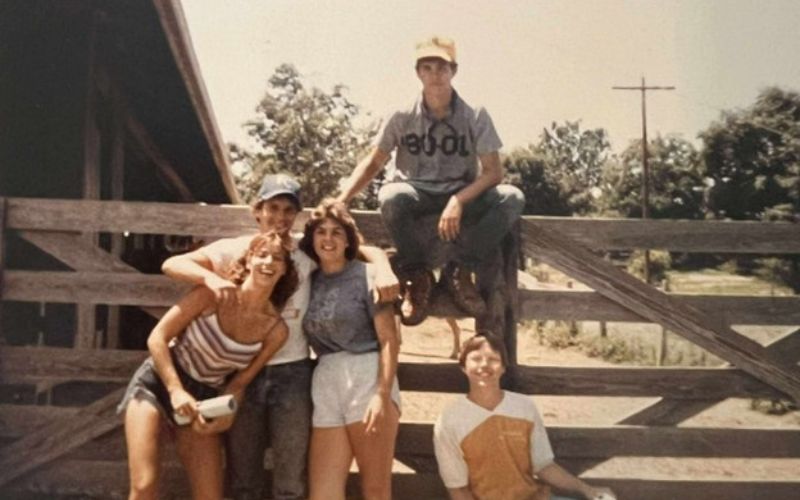
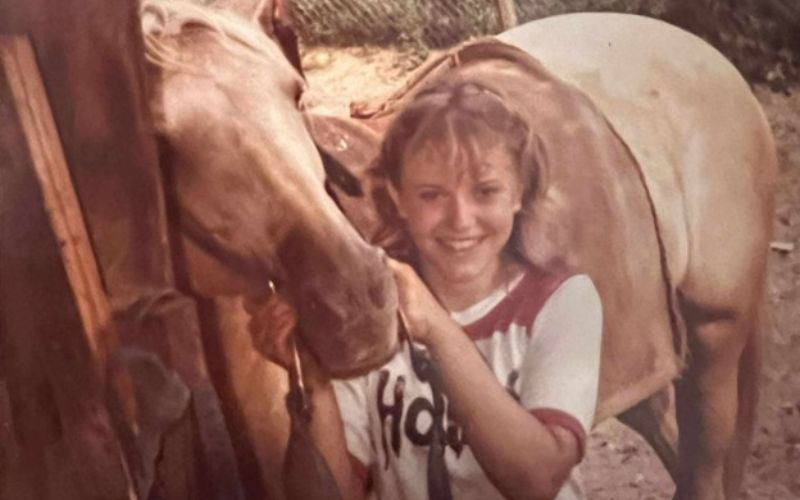
Many of these former staff still give generously to Camp. All learned the value of hard work and true friends.
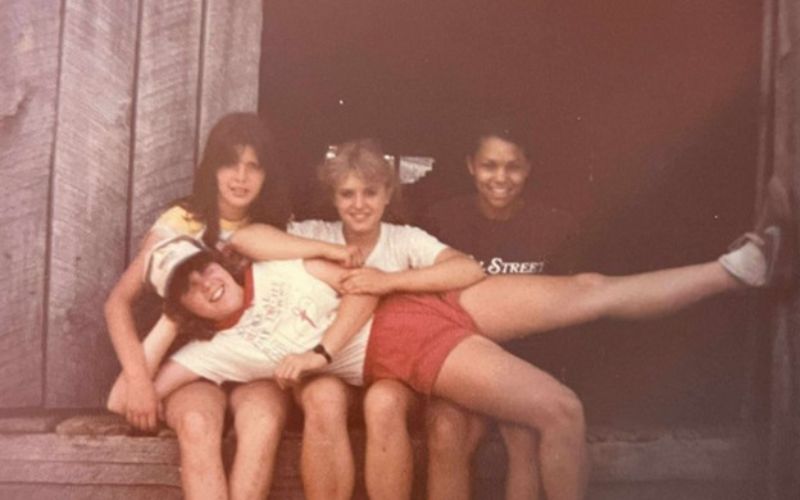
Click here to learn more about Camp Ondessonk’s Equestrian Programs.