
Preparing Leaders in the Outdoors: Camp Ondessonk’s 2025 Outdoor Education Staff Training
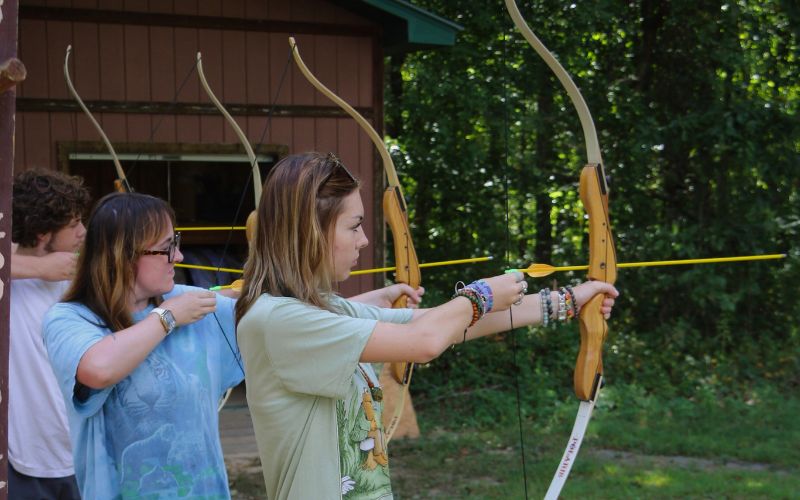
At Camp Ondessonk, the mission of providing exceptional outdoor adventures doesn’t stop when the last summer camper heads home. Since 1988, the Camp has welcomed thousands of students each year for Outdoor and Environmental Education programs designed to connect young people to the natural world, to each other, and to themselves.
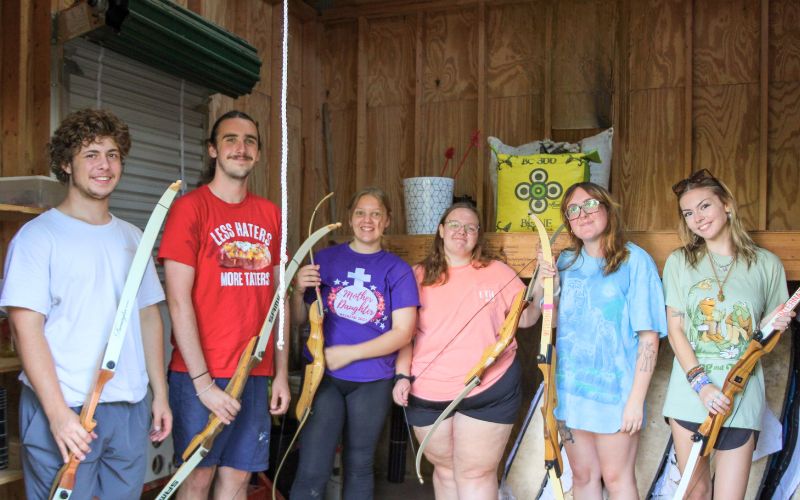
This August, before the first school bus rolled in for the fall Education & Recreation Season, a brand-new team of Outdoor Education staff successfully completed three intensive weeks of training—a blend of skills development, hands-on practice, and Camp tradition that ensures they are ready to guide, teach, and inspire.
Why Outdoor Education Training Matters
Camp Ondessonk serves more than 1,500 students annually from Catholic and non-Catholic schools across Illinois, Missouri, Indiana, and Kentucky. Each visit is carefully curated by the Ondessonk professional staff to blend team building, communication, leadership, and stewardship for the natural world.
An Ondessonk Outdoor Education experience might include a guided interpretive hike, a challenge course initiative, a session of archery, or even a reflection program like Moments of Holiness/Finding God in all Things or Solo Reflection Hikes. To lead these experiences, staff need not only technical expertise but also strong facilitation skills to foster trust, teamwork, and growth. That’s why training is essential.
A Week of Learning in the Wilderness
The 2025 Outdoor Education Training was held from August 18 to September 5, immersing new staff in both the theory and practice of experiential education. Over the course of training, staff sharpened technical skills, built confidence as facilitators, and grew together as a team in preparation for the arrival of visiting schools.
Highlights of the Week Included:
Facilitation Theory of the Day
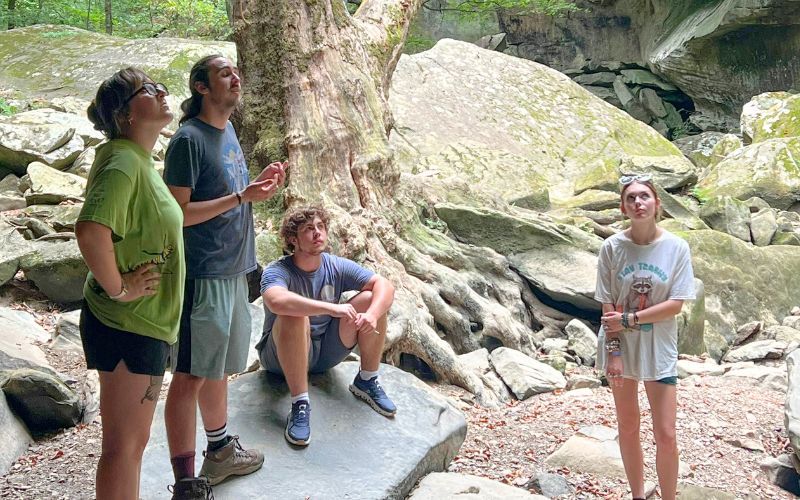
Year-round staff led morning mini sessions covering educational frameworks like the Experiential Learning Cycle, Challenge by Choice, Growth Mindset, and Maslow’s Hierarchy of Needs. These guided discussions helped staff understand how to support student growth through outdoor learning.
Adventure & Challenge Programs
From the Low Challenge Course to the Climbing Tower and Giant Swing, staff trained not only in safety and technical skills but also in how to foster growth within individuals and groups.
Equestrian Training
Catherine Limkeman led “Stables 101,” where staff learned the essentials of horse care, feeding, and barn orientation. A full day of Wrangler Training followed later where staff expanding their skills to groom, saddle, and ride to prepare to support Intro to Riding programs that give students hands-on equestrian experiences.
Outdoor Skills & Risk Management
Woodscraft, Hike Interpretation, and Survivor Challenge sessions prepared staff to lead groups with confidence in wilderness settings, while risk management discussions emphasized hazard awareness, site management, and group safety.
Specialty Program Training
Evan Coulson guided boating sessions, Paula Foley led kitchen operations training, and other departments provided behind-the-scenes experiences. These sessions ensured staff are prepared to deliver Camp’s full range of Outdoor Education offerings.
Community & Campfire Traditions
Evenings brought campfires, Wilderness Fort games, educational hikes, and moments of reflection—reminders of Camp’s traditions and the community spirit that shapes the Outdoor Education experience.
A Collaborative Effort
This year’s training was made possible by a team of dedicated leaders:
- Lead Facilitator: Isabelle Linn, Program Coordinator
- Retreat & High Challenge Training: Nolan Hurst, Camping Services Director
- Equestrian Training: Catherine Limkeman, Equestrian Director
- Health & Sanitation: Patrick Whitaker, Support Services Coordinator
- Boating & Outdoor Facilitation Theories: Evan Coulson, Strategic Initiatives Coordinator
- Kitchen Operations: Paula Foley, Food Service Director
Together, they ensured that staff left training prepared mentally, physically, and spiritually for the important role they’ll play in the months ahead.
Carrying the Mission Forward
By the close of training, staff emerged with far more than technical knowledge. They left equipped to:
- Guide meaningful group experiences
- Promote teamwork, leadership, and trust
- Foster stewardship for the environment
- Support academic curriculum through experiential learning
As the Education & Recreation Season begins, these new leaders are ready to welcome more than 1,500 students to Camp Ondessonk, carrying forward the mission to provide exceptional outdoor adventures year-round.
Learn More
Interested in bringing your school or group to Camp Ondessonk? Explore our Outdoor Education programs, designed to complement classroom learning with hands-on adventure in the Shawnee National Forest. Click here to learn more about Camp Ondessonk’s Outdoor Education programs.