
Finding the Right Summer Camp for Your Child’s Unique Personality
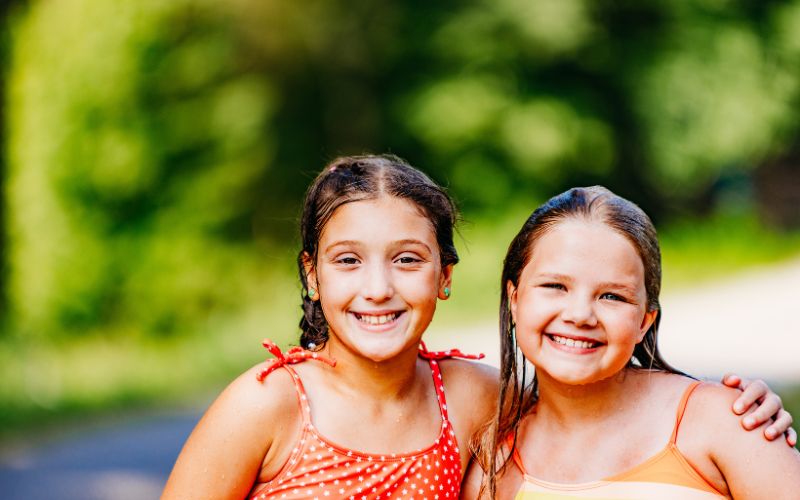
Let me tell you something I’ve learned after years of watching parents navigate summer camp decisions: the glossy brochures with zip lines and pristine lakes? They matter way less than you think.
What keeps you up at night is something much deeper: Will my child actually feel like they belong there?
I get it. Because here’s what I’ve discovered: choosing a summer camp isn’t really about comparing activity lists anymore. The research backs this up, too. Studies from the American Camp Association show that quality camps can genuinely boost kids’ independence, friendship skills, social comfort, and even their connection to nature, and these benefits stick around long after summer ends.
But here’s the catch: those amazing outcomes happen most powerfully when there’s a real match between your child’s personality and the camp’s vibe. When a camp’s social expectations clash with a kid’s natural temperament, especially for shy or highly sensitive children, research has linked that mismatch to increased anxiety and loneliness.
So let me walk you through how to find a camp that fits your child, not just your schedule.
Why Getting the Personality Fit Right Actually Matters
The American Camp Association has been studying this stuff for years, and its findings are pretty compelling. In their Youth Development Outcomes studies and the National Camp Impact research (done with the University of Utah), campers consistently report improvements in self-esteem, independence, friendship skills, social comfort, responsibility, teamwork, and appreciation for people who are different from them. They even develop a deeper connection to nature and become more willing to try new things.
Other research on intensive camp programs has found increases in empathy, emotional self-control, optimism, and community engagement, sometimes in less than two weeks.<sup>3</sup>
But youth development research keeps pointing to one critical factor: kids thrive when there’s a good fit between who they are (their shyness, extraversion, sensitivity, or risk-taking tendencies) and what their environment demands of them.
Bottom line? The best camp for your child is the one where their personality is seen, supported, and gently stretched, never steamrolled.
Step One: Start with Your Kid, Not the Website
Before you open a single browser tab, grab a coffee and think through your child’s personality profile. Seriously, this step matters more than anything else.
Ask yourself these questions:
How does my child recharge?
- Are they a social butterfly who lights up around groups and makes friends in line at the grocery store?
- Or are they a thoughtful observer who warms up slowly, prefers a couple of close friends, and needs quiet time after big events?
How do they handle new challenges?
- Do they want to tackle the tallest climbing wall on day one?
- Or do they prefer to watch from the sidelines first, then try when they feel ready?
What kind of structure do they need?
- Do they love having tons of choices and freedom?
- Or do they feel safer with predictable schedules and clear expectations?
How sensitive are they to noise, crowds, and change?
- Are they high-energy kids who thrive in chaos and love big, loud group games?
- Or are they sensitive souls who need quieter spaces, smaller groups, and adults who know how to coach through worries?
What values matter to your family?
- Faith and spirituality?
- Environmental stewardship?
- Leadership and service?
- Specific skills like horseback riding, arts, or STEM?
Take a minute and write down three to five words that describe your child. Maybe it’s curious, cautious, empathetic, creative, and in need of reassurance. Keep that list handy as you start exploring options.
Step Two: Match Camp Styles to Your Child’s Style
Once you really understand your kid, you can filter options strategically. The ACA encourages parents to consider a camp’s philosophy, program emphasis, and staff training, not just whether it has a zip line.
Here’s a simple breakdown:
Traditional Resident Camp: The Well-Rounded Explorer
Best for: Kids who like variety, swimming, crafts, hikes, campfire songs, and who are ready to live in a cabin and try new things with peers.
Personality fit: Both social butterflies and thoughtful observers often thrive here because there’s choice, variety, and time for real friendships to develop.
Specialty Camp (Horse, Theater, STEM, Sports): The Passion Pursuer
Best for: Kids who are intensely interested in one thing and want to dive deep and build skills.
Personality fit: Perfect for focused, sometimes quieter kids who feel more comfortable when everyone shares a common interest. Also great for driven kids who love goals, progression, and feedback.
Adventure or Wilderness Camp: The Trailblazer
Best for: Campers who crave challenge, backpacking, climbing, paddling, and extended hikes.
Personality fit: Ideal for adventurous risk-takers and emerging leaders. It can also be transformative for reserved teens when staff know how to scaffold risk and celebrate small wins.
Faith-Based Camp: The Values-Oriented Camper
Best for: Families who want spiritual growth woven into camp life through prayer, reflection, and service.
Personality fit: Great for kids who respond to strong community values, ritual, and meaning, whether they’re outgoing or quiet.
Day Camp vs. Overnight & Session Length
Here’s something reassuring: ACA research shows that positive outcomes can increase regardless of session length; what matters most is a high-quality, well-run program.
Think about it this way:
- Day camp works beautifully for kids who aren’t ready for overnight separation or who need to build confidence gradually.
- Shorter overnight sessions (mini camps) are perfect for first-timers or younger campers who need a taste of independence in a tightly supported environment.
- Full-week or multi-week sessions suit kids who already love camp or adapt quickly to new settings.
Match this to your child’s temperament. A sensitive or anxious child might benefit from a shorter first experience. A highly social child might feel frustrated if camp ends just as they’re hitting their stride.
Step Three: The Questions You Should Actually Ask Camp Directors
The American Camp Association has excellent parent resources that emphasize an important point: it’s not the facilities that determine quality, it’s how staff run the activities.
When you talk with a camp director, ask:
“How would you describe your camp’s personality?” High-energy and loud? Reflective and nature-immersive? Faith-centered? Skill-focused?
“How do you support shy, anxious, or neurodiverse campers?” Ask for concrete examples: buddy systems, gradual participation, quiet spaces, and staff training in social-emotional learning.
“What training do counselors receive in SEL and conflict resolution?” Research shows camps are powerful settings for social-emotional learning and character development when staff intentionally teach these skills.
“How are cabin groups formed?” Age? Grade? Interests? Intentionally mixed? Can you note personality traits or social concerns on the registration form?
“What does a typical day look like for a reserved camper? For a high-energy camper?” Listen to how they adjust their approach and offer choices.
“Is your camp ACA-accredited?” ACA-accredited camps meet standards in health, safety, and program quality that go beyond state licensing and are regularly reviewed.<sup>7</sup>
You’re not just buying a week of activities. You’re choosing the social, emotional, and spiritual environment in which your child will grow.
Quick Reference: Matching Personality to Camp
| Shy / Slow to Warm Up | Smaller cabin groups, strong cabin leader culture, quiet spaces, clear routines, staff trained in SEL |
| Highly Social / Outgoing | Larger camp, all-camp games, flexible activities, leadership opportunities |
| Sensitive / Easily Overwhelmed | Predictable schedules, sensory-friendly spaces, compassionate discipline, one-on-one connection opportunities |
| High-Energy / Thrill-Seeking | Adventure activities, clear safety systems, staff who teach risk management (not just “extreme fun”) |
| Deep Thinker / Creative | Strong arts programs, nature exploration, reflection time, journaling, values-based discussions |
| Emerging Leader / Helper Type | Predictable schedules, sensory-friendly spaces, compassionate discipline, and one-on-one connection opportunities |
What Quality Camps Do for All Personality Types
High-quality camps, especially those that use ACA research and tools such as the Camp Youth Outcomes Battery, intentionally design programs to nurture multiple outcomes simultaneously: relationship skills, independence, responsibility, and appreciation for differences.
Look for camps that:
- Name social-emotional learning as a goal, not just “fun.”
- Train staff beyond safety basics– including communication, empathy, conflict resolution, and coaching through homesickness.
- Balance structure and choice, so cautious campers aren’t overwhelmed, and bold campers aren’t bored.
- Celebrate different ways to shine– not just the loudest voices or fastest runners.
- Partner with parents, inviting you to share what helps your child feel safe, brave, and known
When you see these systems in place, you can trust that your child’s unique personality will be honored.
What This Looks Like at Camp Ondessonk
At Camp Ondessonk, our mission is to provide “exceptional outdoor and spiritual adventures empowering kids of all ages.” That naturally attracts a wide range of personalities, from first-time eight-year-olds in mini camp to teens tackling high-challenge adventures.
Our personality-aware approach includes:
- Small cabin and unit communities so shy campers can build trust with a consistent group.
- Wide variety of activities– Horseback Riding, Climbing, Hiking, Crafts, Waterfront, so kids with different interests and comfort levels can find “their thing.”
- Guided adventure that lets risk-takers stretch in healthy ways while cautious kids choose gradual challenge.
- Faith-centered reflection and rituals for thoughtful or spiritually curious campers to connect experiences to deeper meaning
- Staff training grounded in ACA standards and research, emphasizing character, community, and care.
When you talk with our team (or any camp’s staff), bring your child’s personality into the conversation. You’re not asking for special treatment, you’re doing what research says works best: matching the environment to the child.
Your Questions Answered
What’s the best camp for a shy child? Look for smaller cabin groups, strong emphasis on kindness and inclusion, staff trained in social-emotional learning, and a balance of active and low-key activities. Shorter sessions, such as mini camps, can be a significant first step.
How do I know if my child is ready for overnight camp? The ACA suggests considering your child’s experience with sleepovers, ability to manage basic self-care, and interest in camp, not just their age. For some kids, starting with a day camp or a shorter overnight stay is the right move.
Can camp help if my child already struggles socially? Yes, if the program is intentional. Camp research shows that structured, supportive environments can improve friendship skills, social comfort, and confidence, especially when staff are trained to coach kids through social challenges.
Do I need an ACA-accredited camp? You don’t have to, but ACA accreditation signals that the camp has been independently evaluated on health, safety, staffing, and program quality standards that go beyond state requirements.
Here’s What It Really Comes Down To
Choosing a summer camp is really about choosing a community that will partner with you in raising your child. The “right” camp isn’t the one with the fanciest facility. It’s the one where your child’s personality is understood, supported, challenged in healthy ways, and celebrated for who they already are, and who they’re becoming.
If you keep your child’s temperament at the center of your search and lean on research-backed questions, you’ll find the best camp for your child, a place where they don’t just fit in, they truly belong.
About the Author
This article was prepared for Camp Ondessonk by Tony Vrooman, Communications Director and long-time camp professional, combining research-driven insights with real-world experience helping families choose life-changing camp experiences.
References
- American Camp Association. “Youth Development Outcomes of the Camp Experience.” Available at: https://www.acacamps.org/resources/directions-youth-development-outcomes-camp-experience
- Digital Commons, University of Denver. “The Impact of Shyness on Loneliness, Social Anxiety, and School The Impact of Shyness on Loneliness, Social Anxiety, and School Liking in Late Childhood”
- PMC (PubMed Central). “Empowering young people—the impact of camp experiences on personal resources, well-being, and community building”
- American Camp Association. “How to Choose a Camp: Safety Tips.”
- American Camp Association. “Camper Outcomes Increase Regardless of Session Length.” Camping Magazine.
- American Camp Association. “Developing Social-Emotional Learning Skills at Camp.” Camping Magazine.
- American Camp Association. “The Most Important Question a Parent Can Ask.” Press Release.
- Children’s Choice. “Camp Youth Outcomes Battery.” ACA Resources.
- American Camp Association. “Rites of Passage: Camp Pays Off in Youth Development.” Camping Magazine.