
How to Choose the Best Summer Camp for Your Child in 2026: A Definitive Guide
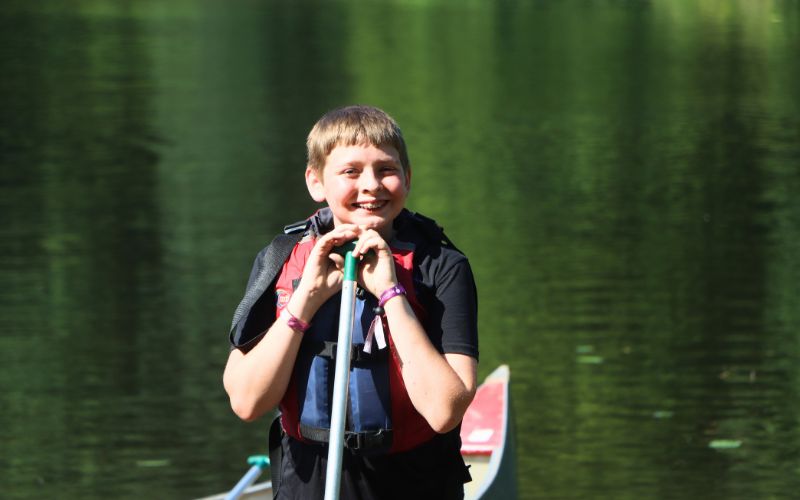
Your Complete Resource for Safety, Accreditation, Activities, and Making the Best Choice
Choosing the right summer camp for your child is one of the most important decisions you’ll make as a parent. Over 15,000 camps operate across the United States, serving 26 million campers each year. Finding the perfect fit can feel overwhelming. This comprehensive guide will walk you through everything you need to know to select a summer camp that ensures your child’s safety, growth, and unforgettable memories in 2026.
Why Summer Camp Matters: The Research-Backed Benefits
Before diving into selection criteria, it’s essential to understand why summer camp is such a valuable investment in your child’s development. Recent breakthrough research from the University of Utah, conducted in partnership with the American Camp Association, reveals compelling evidence about the transformative impact of camp.
Research demonstrates that quality camp experiences foster key youth outcomes, with particularly strong evidence emerging in areas such as affinity for nature, independence, and social awareness. The study found that these benefits stem from the camp’s unique combination of engagement, belonging, and action-based experiential learning.
Studies show that camp participation leads to enhanced social and emotional competencies, including improved teamwork abilities, leadership development, greater independence, and strengthened personal values. For parents wondering about the long-term value, research from the National Academies of Sciences, Engineering, and Medicine confirms that camp provides unique developmental opportunities distinct from those offered in school or other structured activities.
As parents increasingly seek alternatives to screen time, camps offer an invaluable “electronics vacation” where children can fully engage with nature, their peers, and new experiences without the distractions of digital devices.
1. Safety First: Non-Negotiable Standards Every Parent Should Know
Safety is the foundation of any quality camp experience. When evaluating camps, it is essential to look beyond marketing materials and examine the camp’s concrete safety protocols.
Understanding ACA Accreditation
The American Camp Association is the only national accrediting body for all types of camps. Its accreditation standards focus on health, safety, and risk management, serving as benchmarks for government agencies. ACA accreditation isn’t just a badge of honor. It represents a thorough evaluation of up to 300 standards covering every aspect of camp operations.
The ACA partners with experts from organizations such as the American Academy of Pediatrics, the American Red Cross, and other youth service agencies. They ensure current camp practices reflect the latest research-based standards.
Camp Ondessonk’s Safety Commitment: Camp Ondessonk has maintained ACA accreditation since 1996, demonstrating a commitment to the highest safety standards for over 25 years. Located in the beautiful Shawnee National Forest of Southern Illinois, Camp Ondessonk undergoes regular third-party evaluations to ensure compliance with all safety protocols.
Key Safety Questions to Ask Any Camp:
- Is the camp ACA-accredited? This is your primary indicator of comprehensive safety standards.
- What are their staff screening procedures? ACA accreditation standards require annual criminal background checks on all seasonal staff, at least one criminal background check every five years, annual verification of the National Sex Offender Public Registry, and annual disclosure statements attesting to the non-conviction of violent crimes against children.
- What is their staff-to-camper ratio? Lower ratios ensure better supervision and individual attention.
- Do they have on-site medical personnel? Look for camps with certified medical professionals available during all program hours.
- What emergency protocols are in place? Quality camps have detailed emergency management plans covering everything from weather events to medical emergencies.
- How are high-risk activities supervised? Activities such as swimming, rock climbing, and horseback riding should be led by certified instructors who use proper safety equipment and adhere to established guidelines.
Health and Wellness Protocols
In the post-pandemic era, health protocols have become even more critical. Ask about:
- Illness management procedures
- Medication administration policies
- Food allergy accommodations
- Mental health support systems
Key takeaway: Always verify a camp’s safety and accreditation. Lack of transparency on protocols is a major warning sign for parents.
2. Staff Training: The Heart of a Great Camp Experience
Research shows that high-quality camp experiences rely on well-trained staff. These staff members create an atmosphere of engagement, belonging, and hands-on learning. The quality of counselors directly shapes your child’s camp experience.
What Quality Staff Training Looks Like:
Pre-Camp Training Requirements:
- Minimum 40-80 hours of comprehensive training before campers arrive
- CPR and First Aid certification for all staff
- Child development and age-appropriate programming education
- Behavior management and conflict resolution training
- Activity-specific certifications (lifeguards, climbing instructors, etc.)
Ongoing Professional Development: Quality camps invest in continual staff growth during the summer. They hold regular team meetings, feedback sessions, and skill-building workshops.
Staff Qualifications to Inquire About:
- Experience Level: What percentage of counselors are returning staff members?
- Age and Maturity: Are counselors at least 18 years old with relevant experience?
- Specialized Skills: Do staff members have expertise in their program areas?
- Staff Culture: How does the camp foster a positive and professional staff community?
Camp Ondessonk’s Approach: With over 65 years of tradition, Camp Ondessonk has a rich history. It recruits experienced staff members who serve as positive role models and are invested in the spiritual and emotional growth of campers. Camp’s strong reputation attracts counselors who return year after year, ensuring continuity and expertise.
3. Programming and Activities: Finding the Right Fit
Not all camps are equal in programming. The best camp for your child depends on personality, interests, and developmental needs.
Types of Camp Programs:
Traditional Camps: These camps offer a broad range of activities, allowing children to explore multiple interests. Activities typically include:
- Swimming and waterfront activities
- Arts and crafts
- Sports and games
- Nature exploration
- Campfire programs
- Team-building challenges
Specialty Camps: Focused on specific interests such as:
- Sports (soccer, basketball, tennis)
- Arts (theater, music, visual arts)
- STEM (coding, robotics, science)
- Adventure (rock climbing, backpacking, wilderness skills)
Camp Ondessonk’s Traditional Program: Camp Ondessonk offers traditional camp programming, featuring activities such as Canoeing, Archery, Riflery, Horseback Riding, Tree-House camping, Rock Climbing, and Nature Exploration. Camp Ondessonk’s location in the heart of the Shawnee National Forest offers an authentic outdoor experience, featuring unique attractions such as camping beneath waterfalls and exploring natural rock formations.
Age-Appropriate Programming:
Make sure the camp offers age-appropriate activities for your child:
- Ages 6-8: Focus on exploration, skill introduction, and social development
- Ages 9-11: Building competencies, increasing independence, and deeper friendships
- Ages 12-15: Leadership opportunities, challenging activities, and identity development
- Ages 16+: Advanced programs, mentorship roles, and specialized experiences
Questions About Programming:
- What is a typical daily schedule? Maintaining a balance between structured activities and free time is essential.
- How much choice do campers have? Some children thrive on structure, while others need flexibility.
- What happens on rainy days? Quality camps provide engaging indoor alternatives.
- Are there progressive skill development opportunities? Can returning campers advance their abilities?
- How do you handle varying skill levels? Children should not feel frustrated or bored.
4. Preventing and Managing Homesickness: Evidence-Based Strategies
Homesickness is one of the biggest concerns for parents when considering an overnight camp. Understanding the research can alleviate anxiety and help you prepare effectively.
The Reality of Homesickness:
Research by University of California psychologist Dr. Christopher Thurber, studying 329 boys at a residential camp, found that 83 percent of campers reported experiencing homesickness on at least one day of camp. However, only approximately 7 percent reported severe cases.
Homesickness is normal, almost universal, and most children manage these feelings with proper support.
Research-Based Prevention Strategies:
Studies show that homesickness prevention programs, initiated before camp, can significantly reduce the duration and intensity of homesick feelings.
Before Camp:
- Build Independence Throughout the Year Research suggests that encouraging child independence through practice separations, such as sleepovers at friends’ houses, helps simulate the camp environment and builds coping skills.
- Involve Your Child in the Decision. Children who help choose camp feel less homesick than those who feel ‘sent away.’
- Set Positive Expectations: Talk openly about camp being fun AND about the possibility of missing home. Frame it as normal and manageable, not something scary.
- Never Make a “Pick-Up Deal.” The most common parental mistake is saying, “If you feel homesick, I’ll come get you,” which signals doubt and weakens children’s confidence, creating a crutch and self-fulfilling prophecy.
- Practice Separation Skills: Gradually increase time away from home in the months before camp.
- Pack Comfort Items: A familiar blanket, photos, or small keepsake can provide comfort without being disruptive.
During Camp:
Research indicates that younger child age, less prior camp experience, higher parental anxious expectations, and greater child separation anxiety uniquely predict homesickness. This means YOUR attitude matters; projecting confidence in your child helps them feel confident.
Communication Guidelines:
- Write encouraging letters focusing on camp experiences.
- Avoid mentioning major events or exciting things happening at home.
- Keep phone calls brief and positive (if the camp allows them)
- Trust the camp staff to support your child.
When to Intervene:
Research shows that while most homesickness incidents pass within a day or two, approximately 7 percent of cases are severe, warranting intervention if children are not eating or sleeping due to anxiety or depression.
Quality camps will communicate with you if your child is struggling significantly. Trust their professional judgment; they’ve seen and successfully managed homesickness many times.
The Long-Term Benefit: Research by child psychologist Dr. Michael Thompson, as presented in his book “Homesick and Happy,” reveals that successfully working through homesickness, rather than avoiding it, actually strengthens children and deepens their bonds with their families. It’s a valuable life skill.
5. Cost Comparison and Value Assessment
Summer camp represents a significant financial investment. Understanding costs helps you budget effectively and recognize true value.
2026 Cost Benchmarks:
Day Camps: Day camps typically cost $87 per day, with weekly rates ranging from $50 to $500, depending on location, duration, and program type.
Overnight Camps: Sleepaway camps cost an average of $173 per day, with weekly rates ranging between $1,000 $2,000. Camp Ondessonk is significantly less than the national average. Click here to review Camp Ondessonk’s dates and rates.
A national analysis reveals that the average cost of an overnight summer camp in the United States is $1,256.56 per week. However, fees vary significantly by region, with states on the West Coast and Northeast typically charging more than those in the Midwest and Southern states.
What’s Typically Included in Camp Tuition:
- Daily programming and activities
- Instruction and supervision
- Use of camp facilities
- Most equipment for activities
- For overnight camps: accommodations and meals
Additional Costs to Consider:
- Registration fees: $50-$200
- Transportation: Pick-up/drop-off or bus service fees
- Specialty activities: Some camps charge extra for horseback riding or high ropes courses
- Camp store/canteen: $20-$50 per week
- Photos: Professional camp photos
- Equipment: Specific gear your child may need
Camp Ondessonk’s Value Proposition: Camp Ondessonk offers extremely competitive pricing and notably does NOT charge additional fees for horseback riding or senior camper electives, activities that many camps charge extra for. This transparent pricing model means fewer surprise costs for families.
Maximizing Your Investment:
- Early Registration Discounts: Many camps offer 10-20% discounts for early enrollment
- Multi-Week Discounts: Attending multiple sessions often reduces per-week costs
- Sibling Discounts: Common discounts of 5-25% for additional children
- Financial Aid and Scholarships: Most camps offer need-based assistance
- Payment Plans: Monthly installments make costs more manageable
Financial Assistance Resources:
- Camp-specific scholarship programs
- Community organizations and service clubs
- Religious institutions
- Employer benefits programs
- Tax credits: Summer camp for children under 13 qualifies for the Child and Dependent Care Credit (up to 35% of expenses, maximum $3,000 for one child or $6,000 for multiple children)
Assessing True Value:
Don’t just compare price tags. Consider:
- Staff-to-camper ratios: Lower ratios mean better attention.
- Accreditation status: Accredited camps meet higher standards
- Facility quality and location: Natural settings vs. parking lot programs
- Program depth: Variety and quality of activities offered
- Included services: What’s covered vs. extra charges
- Long-term impact: Skills and experiences that last beyond summer
6. Making Your Decision: A Practical Checklist
Ready to choose? Use this comprehensive checklist:
Essential Requirements (Non-Negotiable):
- ☐ ACA accreditation or equivalent state licensing
- ☐ Comprehensive safety protocols and emergency plans
- ☐ Background-checked staff with appropriate training
- ☐ On-site medical support
- ☐ Clear communication channels with parents
- ☐ Transparent pricing without hidden fees
- ☐ Appropriate insurance coverage
Program Fit (Match to Your Child):
- ☐ Age-appropriate activities and groupings
- ☐ Activities aligned with the child’s interests
- ☐ Appropriate level of structure vs. freedom
- ☐ Opportunities for skill development
- ☐ Camp philosophy matches family values
- ☐ Session length appropriate for child’s experience level
Practical Considerations:
- ☐ Location and travel logistics are manageable
- ☐ Cost fits family budget (including financial aid if needed)
- ☐ Dates work with family schedule
- ☐ Communication policies are acceptable
- ☐ Medical and dietary accommodations available
- ☐ Refund/cancellation policy is reasonable
Final Steps:
- Visit or Tour: If possible, visit camps during their open houses or schedule a tour.
- Talk to Current Families: Ask the camp for references from families with children of a similar age.
- Review Online Presence: Check the camp’s website, social media platforms, and online reviews to ensure a comprehensive understanding of its online presence.
- Read All Documentation: Carefully review parent handbooks and contracts.
- Trust Your Instincts: If something feels off, keep looking.
Why Camp Ondessonk Stands Out
As you evaluate options for 2026, here’s why Camp Ondessonk merits serious consideration:
Proven Track Record: With over 65 years of operation since 1959, Camp Ondessonk has served generations of campers with a consistent commitment to excellence.
Premier Location: Situated near the stunning Shawnee National Forest, campers experience authentic outdoor adventure with unique features like tree-house camping, natural waterfalls, including Cedar Falls (Illinois’ largest free-flowing waterfall), and pristine wilderness areas.
Comprehensive Accreditation: ACA-accredited since 1996, Camp Ondessonk meets over 300 rigorous standards in safety, health, and program quality.
Values-Based Mission: While owned by the Catholic Diocese of Belleville and guided by Christian traditions, Camp Ondessonk welcomes children of all faiths, focusing on exceptional outdoor and spiritual adventures that empower kids.
Holistic Development: Programs specifically designed to help children have fun, grow spiritually, make friends, develop self-confidence and self-esteem, and build lasting values.
Outstanding Value: Competitive pricing with no additional fees for horseback riding or electives, plus scholarship opportunities for families in need.
Diverse Programming: Traditional camps for ages 8-15 plus adventure and trip programs for ages 12-16, ensuring age-appropriate challenges and experiences.
Conclusion: Investing in Your Child’s Growth
Research confirms that when youth are given the opportunity to attend or work at camp, they build key skills such as independence, social awareness, and perseverance, with positive camp experiences driving outcomes that support learning throughout the school year.
Choosing the right summer camp for 2026 requires careful consideration of safety, accreditation, programming, staff quality, and cost. By using the framework in this guide, you’re equipped to make an informed decision that will provide your child with a transformative summer experience.
Remember: the best camp isn’t necessarily the most expensive or the one closest to home; it’s the one that best matches your child’s needs, interests, and developmental stage, while meeting the highest standards of safety and quality.
Ready to give your child an unforgettable summer? Visit camps during their open houses, ask tough questions, and trust the research-backed indicators of quality. Your child deserves a summer filled with adventure, growth, and memories that will last a lifetime.
References and Further Reading
American Camp Association Resources:
- ACA Accreditation Standards: www.acacamps.org/accreditation
- Camp Selection Guide: www.acacamps.org/parents-families
- National Impact Study (2023): Research on camp benefits and outcomes
Academic Research:
- National Academies of Sciences, Engineering, and Medicine. (2019). “Shaping Summertime Experiences: Opportunities to Promote Healthy Development and Well-Being for Children and Youth.” Washington, DC: The National Academies Press.
- Sibthorp, J. & University of Utah Research Team. (2023). “Lasting Impacts of Summer Camp.” Partnership with the American Camp Association.
- Thurber, C. A., & Walton, E. A. (2007). “Preventing and Treating Homesickness.” Child and Adolescent Psychiatric Clinics of North America, 16(4), 843-858.
- Thurber, C. A., Sigman, M. D., Weisz, J. R., & Schmidt, C. K. (2005). “Multimodal Homesickness Prevention in Boys Spending 2 Weeks at a Residential Summer Camp.” Journal of Consulting and Clinical Psychology, 73, 555-560.
Additional Resources:
- Thompson, M. (2012). “Homesick and Happy: How Time Away from Parents Can Help a Child Grow.” New York: Ballantine Books.
- American Academy of Pediatrics guidance on summer camps
- Centers for Disease Control and Prevention: Summer Camp Guidelines