
Earn High School Service Hours at Camp Ondessonk
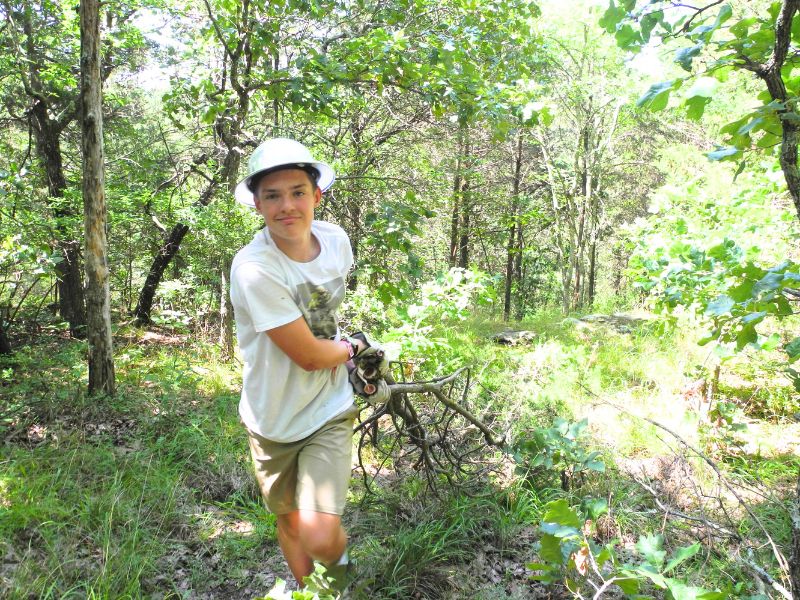
Students can earn high school service hours at Camp Ondessonk through summer leadership programs and school-year ecological stewardship trips. At this Catholic Youth Camp in Ozark, Illinois, service gives teenagers meaningful responsibilities and helps schools connect faith formation with practical experience.
The opportunities include Ondessonk Wisdom in Leadership (OWL), Counselor-In-Training (CIT), and group restoration projects. Each offers a different commitment and service focus. Before participating, students should receive their school’s approval for the activities and hours they intend to submit.
Service rooted in Catholic faith
Saint John Paul II wrote in Redemptoris Missio, “Faith is strengthened when it is given to others!” Catholic high schools can help students put faith into practice by pairing service with reflection on whom their work benefits and why it matters.
At Ondessonk, that conversation can begin with choosing to help when someone needs patience, encouragement, or a dependable teammate. Working alongside others creates opportunities to practice humility and respect. Caring for the forest connects that responsibility to the Catholic call to care for creation.
OWL develops leadership through service
Ondessonk Wisdom in Leadership is a two-week program for students age 15 or entering 10th grade. Participants explore leadership through experience, reflection, spiritual guidance, and service.
Students help design and lead Camp activities while participating through service projects. They practice clear communication and take responsibility for work that affects others.
OWL participants complete 8–16 service hours. Students and school coordinators should confirm which activities qualify and how completed hours will be recorded. The program offers a starting point for teenagers ready to take on greater responsibility within a caring Camp community.
CIT gives students experience serving younger campers
Counselor-In-Training is a three-week experience for students age 16 or entering 11th grade. Participants work closely with leadership staff to develop the skills needed to support campers ages 8–15.
CITs learn to encourage participation, help lead activities, and contribute to daily Camp life. A student’s attention and encouragement may help a younger camper feel included and willing to try something unfamiliar.
CIT participants earn 60 service hours per week, with school credit dependent on approval. Interested students should review the application process and current program information before making summer plans.
School groups can serve through ecological stewardship.
Schools can arrange weekend or week-long ecological stewardship and restoration trips during the school year. Students attend with chaperones, stay at Camp, and receive meals while working on projects that restore and care for the surrounding forest.
These experiences can connect Campus Ministry with environmental science and theology lessons. Students can consider how their work benefits the landscape and the people who use it.
Service hours vary with the project and length of stay. Before scheduling a trip, school leaders should coordinate dates, project scope, lodging, meals, costs, accessibility needs, and chaperone responsibilities with Camp.
Before the trip, teachers can introduce a question for students to revisit afterward: How does caring for this place serve our neighbors? A journal entry or classroom discussion can help students connect physical work with responsibility and faith.
How schools can approve and document service hours
Campus Ministry teams, service coordinators, and administrators can build Camp Ondessonk opportunities into their service curriculum through a few practical steps:
- Review the fit. Compare the proposed activities with your school’s service requirements. Schools requiring direct service to particular populations should confirm whether the selected opportunity meets those criteria.
- Approve participation beforehand. Identify eligible activities and any limits on accepted hours. Distinguish qualifying service from travel, recreation, and other program time.
- Arrange documentation. Agree with Camp on a supervisor contact, activity descriptions, dates, completed hours, and the school’s verification form or submission process.
- Plan reflection. Invite students to discuss whom they served, what challenged them, and how their choices reflected Catholic values.
- Share the opportunity. Use family newsletters, student announcements, and Campus Ministry conversations to explain eligibility, commitments, and following steps.
Students can help this process by bringing their school’s requirements to the conversation early. Ask who must approve the placement and when verified hours are due. Keep a daily record of tasks and time, then use that record to support both the school’s paperwork and an honest reflection on the experience.
Families should also review current dates, program fees, application requirements, and transport arrangements. For group trips, discuss these details with the school’s trip coordinator.
Start planning your service experience.
Students can begin by speaking with their Campus Ministry or service coordinator. School administrators can contact Camp Ondessonk at camp@ondessonk.com or 618-695-2489 to discuss a summer program or school-year visit.
Service credit depends on each school’s approval of the activities and completed hours. With approval in place, students can focus on the work: helping a younger camper feel welcome or leaving a stretch of forest better than they found it.